



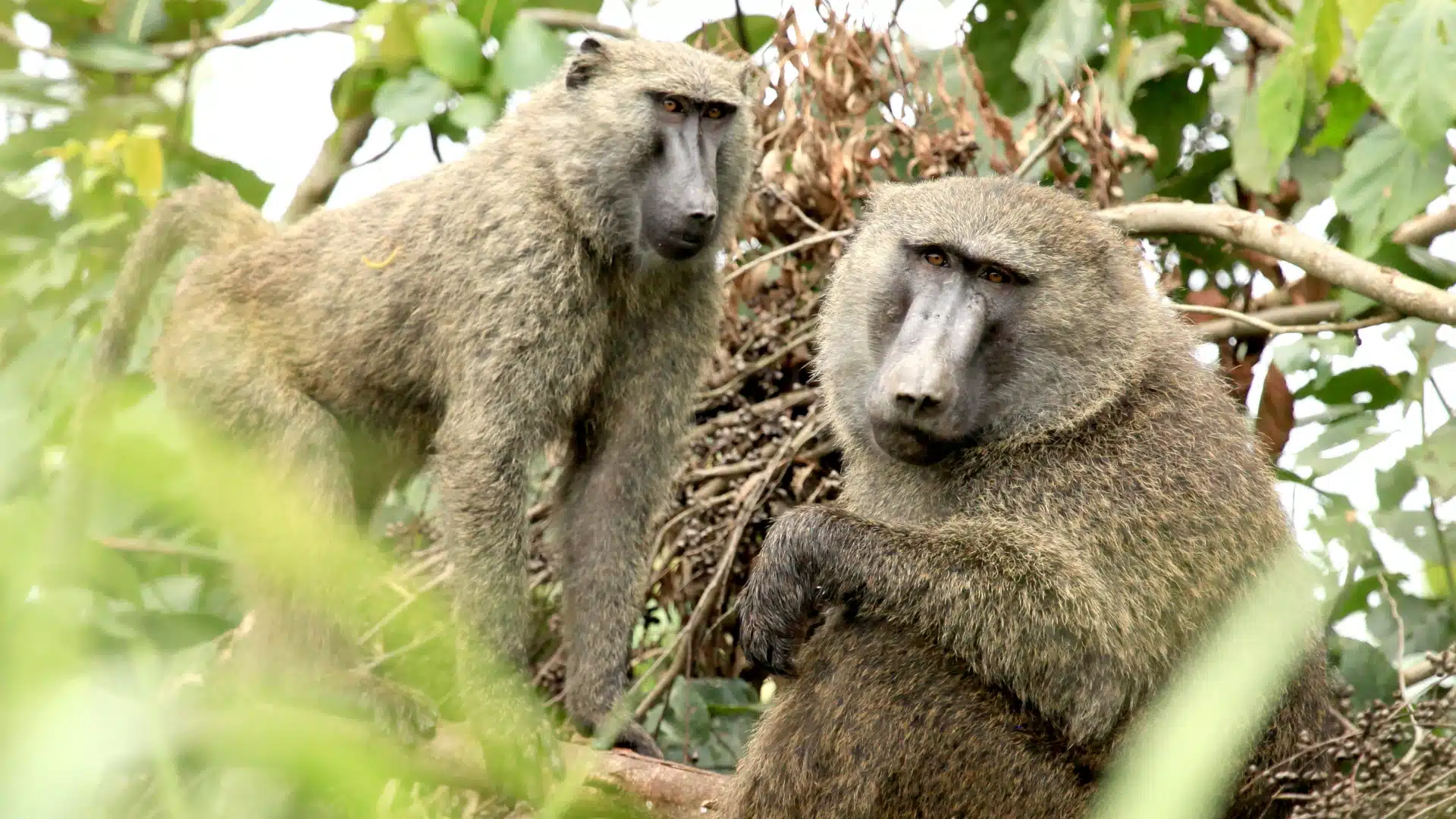
Olive Baboon Murchison Falls is one of the important wildlife topics for visitors exploring Murchison Falls National Park. This guide explains identification, habitat, behaviour, ecology, conservation status, the best locations for sightings, photography opportunities, safari planning tips and how this species contributes to the park’s biodiversity.
Overview
Murchison Falls National Park supports one of Uganda’s richest mammal communities because of its extensive savannah, woodland, wetlands, riverine habitats and nearby forests. Visitors frequently encounter iconic wildlife during game drives, boat cruises and guided excursions.
Habitat and Distribution
This species occupies suitable habitats within the wider Murchison Falls Conservation Area depending on food, water, cover and seasonal movement. Understanding habitat preferences greatly improves wildlife viewing success.
Behaviour and Ecology
Behaviour changes with season, breeding cycles, predator pressure and habitat conditions. Early morning and late afternoon often provide the best wildlife viewing opportunities.
Best Places to See It
- Northern game drive sector
- Buligi game tracks where appropriate
- Riverine habitats along the Victoria Nile
- Related habitats specific to this species
Photography Tips
Use soft morning or evening light, maintain safe distances and follow your guide’s instructions. Patience often produces the best wildlife photographs.
Conservation
The long-term survival of wildlife in Murchison Falls depends on habitat protection, anti-poaching measures, scientific monitoring, responsible tourism and community participation.
Interesting Facts
- Species plays an important ecological role.
- Can often be combined with other wildlife sightings during a safari.
- Murchison Falls remains one of Uganda’s best locations for wildlife observation.
Identification Features
This guide explains the key field marks, body shape, coloration, behaviour and distinguishing characteristics that help visitors identify the species while on safari in Murchison Falls National Park. Where similar species occur, important differences are highlighted to improve wildlife identification.
Ecology and Role in the Ecosystem
Every mammal contributes to the ecological balance of the Murchison Falls ecosystem. Herbivores influence vegetation structure, predators regulate prey populations, scavengers recycle nutrients and smaller mammals provide food for larger carnivores. Understanding these ecological relationships adds depth to every game drive.
Safari Viewing Tips
- Travel with an experienced Uganda Wildlife Authority guide or professional safari guide.
- Search during early morning and late afternoon when wildlife activity is generally highest.
- Carry binoculars for distant sightings.
- Remain quiet and avoid sudden movements around wildlife.
- Respect park regulations and maintain safe viewing distances.
Where This Species Fits Into a Uganda Safari
Most visitors encounter this species while exploring Murchison Falls National Park, although many Uganda wildlife circuits also include Queen Elizabeth National Park, Kidepo Valley National Park, Lake Mburo National Park and other protected areas. Understanding where sightings are most reliable helps travellers build stronger safari itineraries.
FAQs
When is the best time to see this species?
Throughout the year, with excellent viewing during the dry seasons.
Can this be included in a safari?
Yes. Most Uganda wildlife safaris visiting Murchison Falls provide opportunities to search for this species.