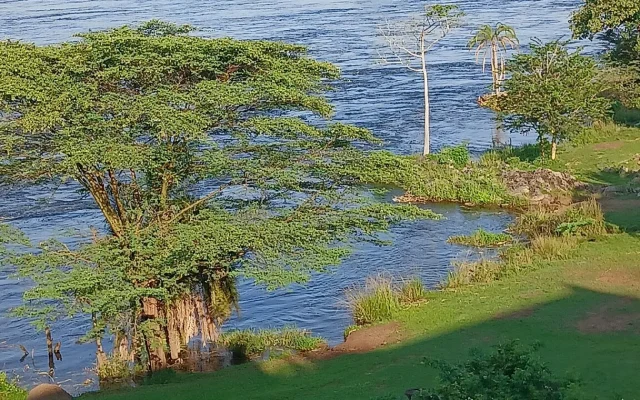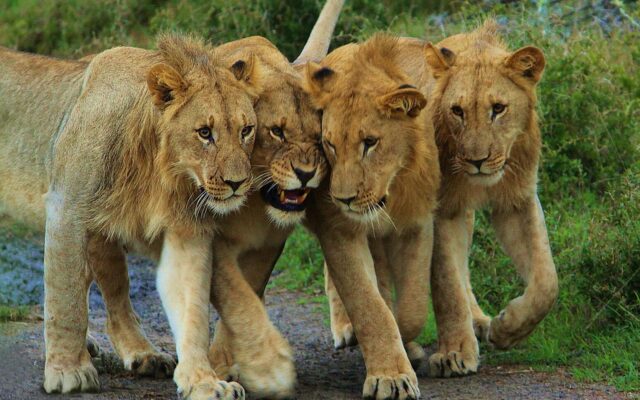
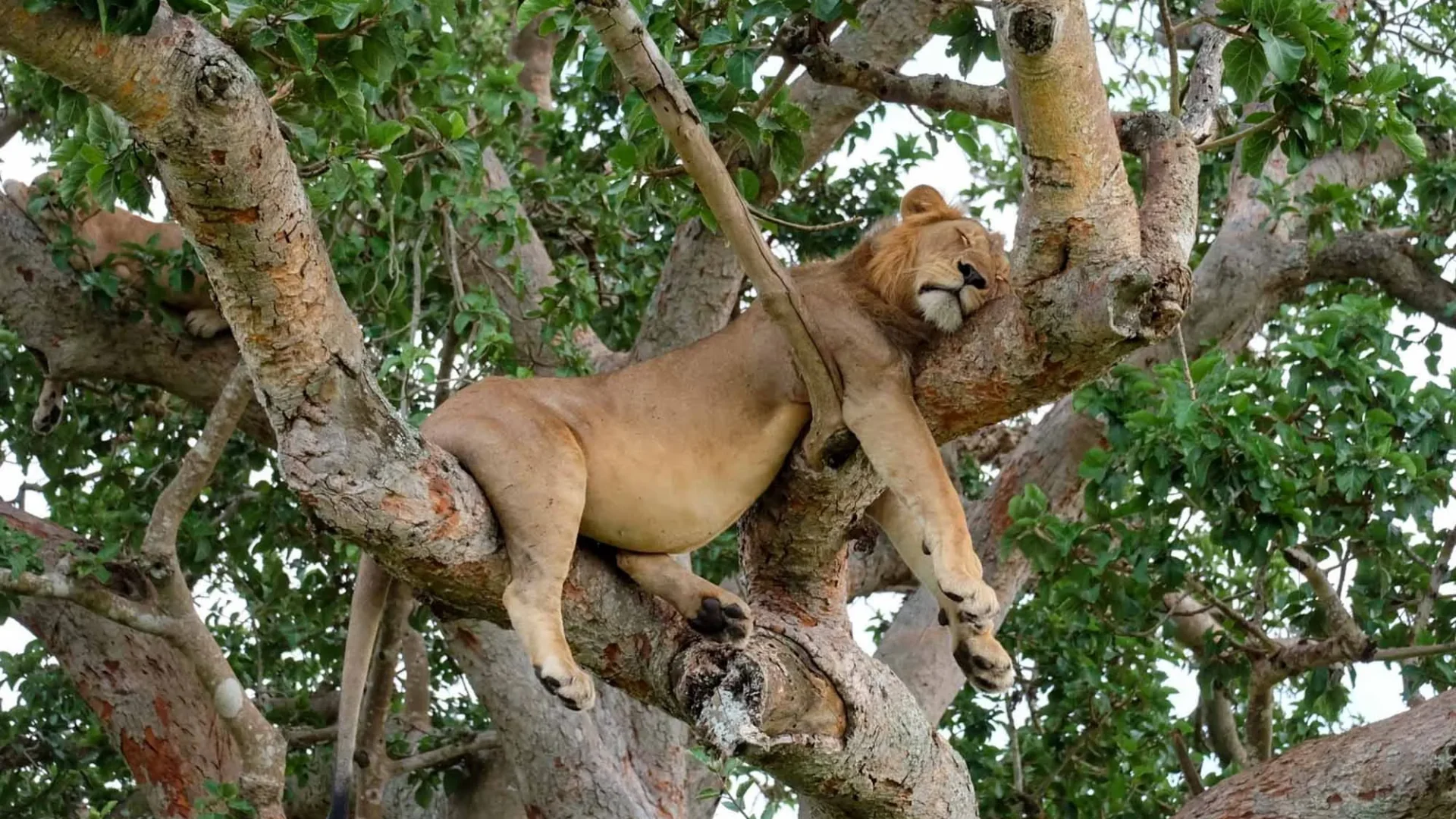
Uganda’s tree-climbing lions are among the country’s most photographed oddities — big cats draped over fig branches in the Ishasha sector of Queen Elizabeth National Park, apparently indifferent to gravity. They are not a separate subspecies and not every lion in Uganda climbs, but Ishasha delivers the behaviour reliably enough that it has become a standard stop on south-west circuits.
This guide explains where to see tree-climbing lions in Uganda, when sightings are strongest, how Ishasha fits into a wider itinerary including Murchison Falls, and what to expect on the ground.
Where They Climb: Ishasha Sector
The famous tree-climbing lions live in the Ishasha sector at the southern end of Queen Elizabeth National Park, bordering the Democratic Republic of Congo. The sector is roughly 2–3 hours from the park’s Mweya headquarters on rough, seasonal roads — a 4×4 is essential, especially after rain.
Lions here favour large fig trees (sycamore fig and candelabra thorn) along the river channels. From June to September, during heat and fly season, lions ascend branches to escape biting flies on the ground and catch breeze — behaviour also documented in Tanzania’s Lake Manyara but more consistently marketed in Uganda’s Ishasha.
There is no guarantee on any single drive, but dedicated morning or afternoon circuits with an experienced guide produce sightings on most two-night stays in the sector.
Are There Tree-Climbing Lions Elsewhere in Uganda?
Occasional reports come from other parks — including rare observations in Murchison Falls — but Ishasha is the only place in Uganda where operators routinely plan itineraries around the behaviour. Do not expect tree-climbing lions on a Murchison-only trip; plan Queen Elizabeth’s southern sector specifically.
Standard Queen Elizabeth game drives around Mweya and Kasenyi focus on Uganda kob, elephant and leopard on the crater lakes — excellent savannah viewing but not the Ishasha lion speciality.
Best Time to Visit Ishasha
Dry seasons (June–September, December–February) offer firmer roads and lions in trees during midday heat. Wet months make Ishasha tracks challenging; some lodges close or limit access. Morning drives (06:30–10:00) and late afternoon (16:00–18:30) are peak search windows — lions may be on the ground at dawn before climbing later.
Combine Ishasha with Kazinga Channel boat cruise at Mweya for a full Queen Elizabeth experience over three nights.
How Ishasha Fits a Murchison + Gorilla Circuit
Typical routing: Entebbe → Murchison (3 nights) → drive south via Kibale or Fort Portal → Queen Elizabeth (2 nights Mweya + 1–2 Ishasha) → Bwindi gorillas. Ishasha adds a half-day to full-day transfer from northern Queen Elizabeth — schedule a dedicated Ishasha morning before continuing to Bwindi.
Road time Murchison to Queen Elizabeth is roughly 7–9 hours via Masindi and Fort Portal; breaking the journey at Kibale for chimps is common. Fly-in options (Pakuba to Kasese/Mweya airstrips) shorten but add cost.
Lodges and Access
Ishasha Wilderness Camp, Enjojo Lodge and Ishasha Jungle Lodge sit close to the sector. Mweya lodges require a long day trip to Ishasha and back — feasible but tiring. Staying south saves driving and improves sighting odds at dawn.
Park entry Queen Elizabeth: about US$40 per person per 24 hours for foreign non-residents. Ishasha counts within the same park fee once inside.
Photography Tips
Long lens (200mm minimum, 400mm ideal) — lions are often 10–20 metres up. Shoot from below creates dramatic angles but watch exposure against bright sky. Midday light is harsh; early morning climbs in golden light are rare but memorable when they happen.
Stay in the vehicle unless guides permit otherwise. Lions in trees are still wild predators — engine noise and distance keep everyone safe.
Frequently Asked Questions
- Why do lions climb trees in Ishasha?
-
Researchers cite thermoregulation and escape from ground-level biting flies (tsetse and others). The behaviour is learned within prides and passed between generations.
- Can I see tree-climbing lions on a day trip from Mweya?
-
Possible but not ideal — 4+ hours driving each way on rough tracks. Overnight in Ishasha is strongly recommended.
- How does Ishasha compare to Lake Manyara in Tanzania?
-
Both offer tree-climbing lions. Ishasha is quieter with fewer vehicles; Manyara is easier to access on standard northern Tanzania circuits. Uganda pairs Ishasha with gorillas — Tanzania does not.
- What vehicle do I need for Ishasha?
-
A 4×4 with good ground clearance. Standard saloon cars cannot reach the sector reliably, especially after rain when black cotton soil sections become treacherous.
- Is Ishasha worth it without gorillas on the same trip?
-
Yes if you are building a Queen Elizabeth-focused safari from Kampala or Kigali. Pair with Kazinga Channel and Kyambura Gorge for a strong primate-and-predator week without travelling north to Murchison.
Conservation Context
Ishasha’s lion population faces pressure from human encroachment and snaring along the Congo border. Tourism revenue supports UWA patrols and community buffer projects. Staying in sector lodges and paying park fees directly funds protection of the very prides visitors photograph in the fig trees.
Plan Your Safari
Tree-climbing lions are a highlight of any south-west Uganda route. We build safaris that link Murchison Falls, Queen Elizabeth and Ishasha with realistic drive times — contact us to include Ishasha on your itinerary.