With over 1,000 recorded species in a country the size of Oregon, Uganda belongs on every serious birder’s shortlist. The appeal is not just list length — it is access. A shoebill in Murchison’s delta, African green broadbill in Bwindi, and a parade of Albertine Rift endemics can fit into a single two-week circuit without charter flights between countries.
This guide covers the best birdwatching safaris in Uganda: where to go, what targets each site offers, and how to combine birding with gorillas, chimps and classic game viewing.
Why Uganda for Birding
Uganda sits at the confluence of East African savannah, West African forest and the Albertine Rift — a biogeographic crossroads producing exceptional diversity. Habitats range from montane forest (Bwindi, Mgahinga) and moist woodland (Budongo, Kibale) to papyrus swamp, riverine Nile corridor and open acacia savannah. Migrants from Europe and Asia augment resident species between November and April.
Murchison Falls National Park
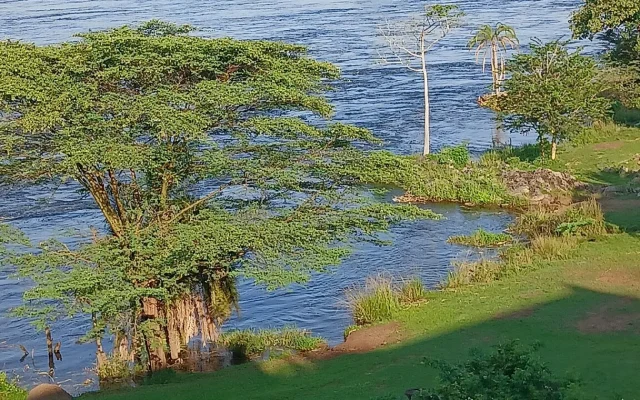
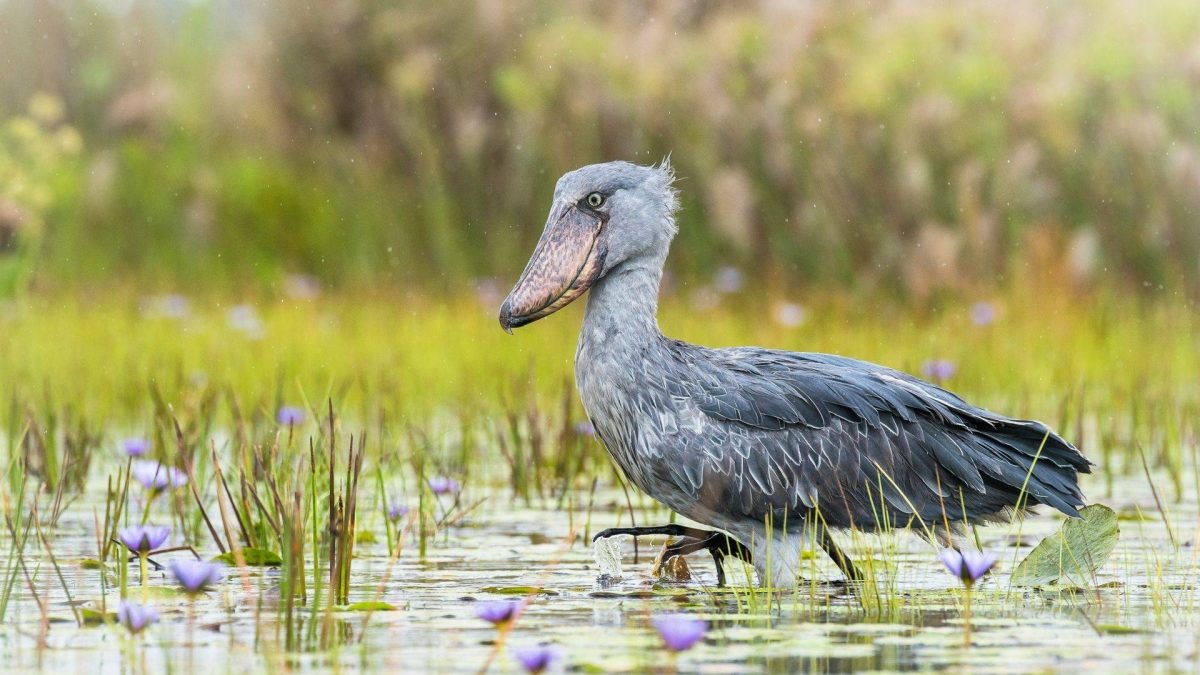
Murchison delivers savannah specialists and wetland rarities in one park. The Victoria Nile delta boat cruise is Uganda’s most reliable shoebill site — rangers scan papyrus channels where Balaeniceps rex hunts lungfish. Park checklist exceeds 450 species.
Key species: Shoebill, Abyssinian ground hornbill, black-billed barbet, red-throated bee-eater (breeding colonies along the Nile cliffs), pel’s fishing owl (nocturnal specials arranged locally), secretary bird, standard-winged nightjar.
Best approach: Combine dawn game drives on the Buligi Peninsula with a delta cruise and the Paraa–falls launch. Two full days minimum. See our bird photography locations at Murchison for site detail.
Bwindi Impenetrable National Park
Bwindi’s altitudinal gradient (1,160–2,607 metres) supports roughly 350 species including 23 Albertine Rift endemics. The African green broadbill — one of Africa’s most sought-after birds — occurs in the Ruhija sector (specialist guides recommended; separate tracking fee applies).
Key species: African green broadbill, Shelley’s crimsonwing, handsome francolin, Rwenzori turaco, Grauer’s rush warbler, short-tailed warbler.
Birding walks can run parallel to gorilla trekking days — many visitors trek gorillas one morning and bird the forest fringe the next.
Kibale Forest National Park
Kibale is primate-famous but equally strong for forest birds. The Bigodi Wetland Sanctuary community walk outside the park is excellent for great blue turaco, papyrus gonolek and white-spotted flufftail.
Key species: Green-breasted pitta (November–March, requires dedicated search), African pitta (seasonal), crowned eagle, black bee-eater.
Queen Elizabeth National Park
Open savannah, crater lakes, Kyambura Gorge forest and the Kazinga Channel create varied birding. The channel cruise adds waterbirds at close range — African skimmer, yellow-billed stork, various kingfishers and waders.
Key species: Palm-nut vulture, grey kestrel, African crake, papyrus canary (Maramagambo area).
Mabamba Swamp (Entebbe Day Trip)
Before or after your main circuit, Mabamba Bay on Lake Victoria offers canoe-based shoebill tracking roughly one hour from Entebbe International Airport. Community guides pole through channels — a half-day excursion that pairs well with international flight times.
Semuliki and Kidepo
Semuliki National Park holds Congo Basin biome species found nowhere else in East Africa — lyre-tailed honeyguide, Nkulengu rail, piping hornbill.
Kidepo Valley in the far northeast offers dry-country specials: Karamoja apalis, rose-ringed parakeet, ostrich and secretary bird in dramatic mountain scenery.
Planning a Birding Safari
Hire a specialist birding guide — general safari guides know common species but miss cryptic forest skulkers. Allow unhurried mornings; forest birds are most active at dawn. A 12–14 day itinerary covering Murchison, Kibale/Bigodi, Queen Elizabeth, Bwindi (Ruhija for green broadbill) and Mabamba covers most headline targets.
Peak birding season for forest specials and migrants: November–April. Shoebill is year-round but delta water levels affect access in very wet months.
Timing and Pace for Birding Safaris
Birding demands earlier starts than standard game drives — forest species vocalise at first light, then quieten by mid-morning. At Murchison, schedule the delta shoebill cruise before the falls launch; shoebill activity peaks at dawn. At Bwindi, Ruhija’s green broadbill search requires a dedicated morning separate from gorilla trekking — do not attempt both same day if photography matters.
Allow rest afternoons. Birding concentration wanes in heat; use midday for travel between parks or crater lake stops near Fort Portal. A 12-day birding circuit should not exceed two consecutive 05:00 wake-ups without a slower day — fatigue reduces identification quality and enjoyment.
Frequently Asked Questions
- Do I need a spotting scope?
-
Helpful for savannah and wetland birding at Murchison and Queen Elizabeth. Less critical in dense forest where binoculars dominate. Many lodges can arrange scope hire.
- Can birders share a safari with non-birders?
-
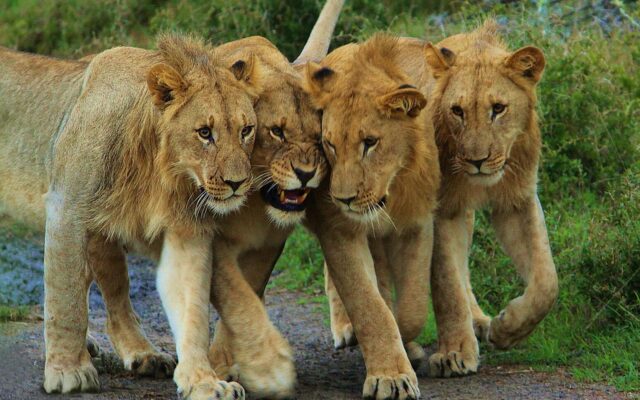
Yes. Murchison and Queen Elizabeth satisfy both groups — shoebill and lion on the same day is realistic. Dedicated birding mornings with relaxed afternoons works well.
- How difficult is the green broadbill trek?
-
Moderate. Ruhija’s Mubwindi Swamp trail involves steep, muddy forest. Altitude 2,300+ metres — pace accordingly.
- Are birding permits separate from park entry?
-
Park entry fees apply (Murchison US$45 per day for foreign non-residents). Some activities — green broadbill tracking, Bigodi walk — carry additional community or UWA fees.
Consider a ground pod or bean bag for vehicle-based savannah work if your operator provides roof hatches — resting a 400mm lens on a bean bag beats hand-holding on corrugated Buligi tracks. For forest primate work, image stabilisation in-body or in-lens helps when light drops below 1/60s under canopy.
- Can I bird Murchison and trek gorillas on one trip?
-
Yes — the classic 10–12 day circuit pairs Murchison birding (shoebill, savannah species) with Bwindi forest endemics. Allow separate mornings for delta cruise and gorilla trek; do not compress both into one day.
Plan Your Safari
Birding safaris need the right guide, the right sector and enough time at each site. Browse Murchison Falls safaris for Nile and delta birding, or request a custom birding itinerary across Uganda’s key habitats.