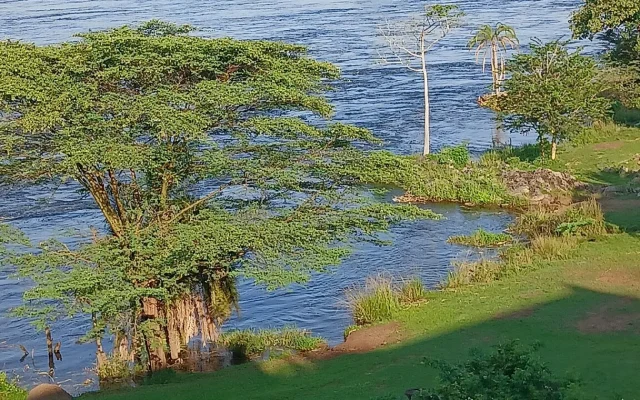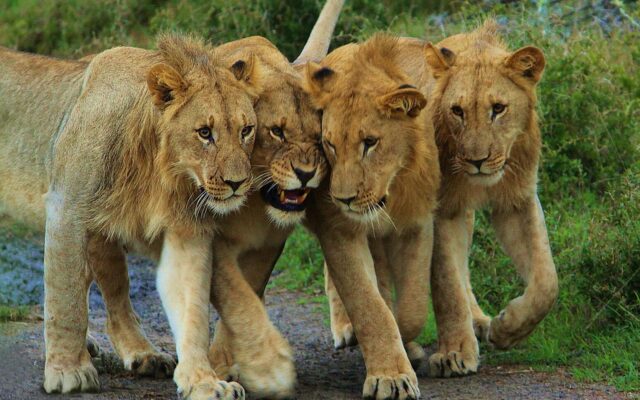
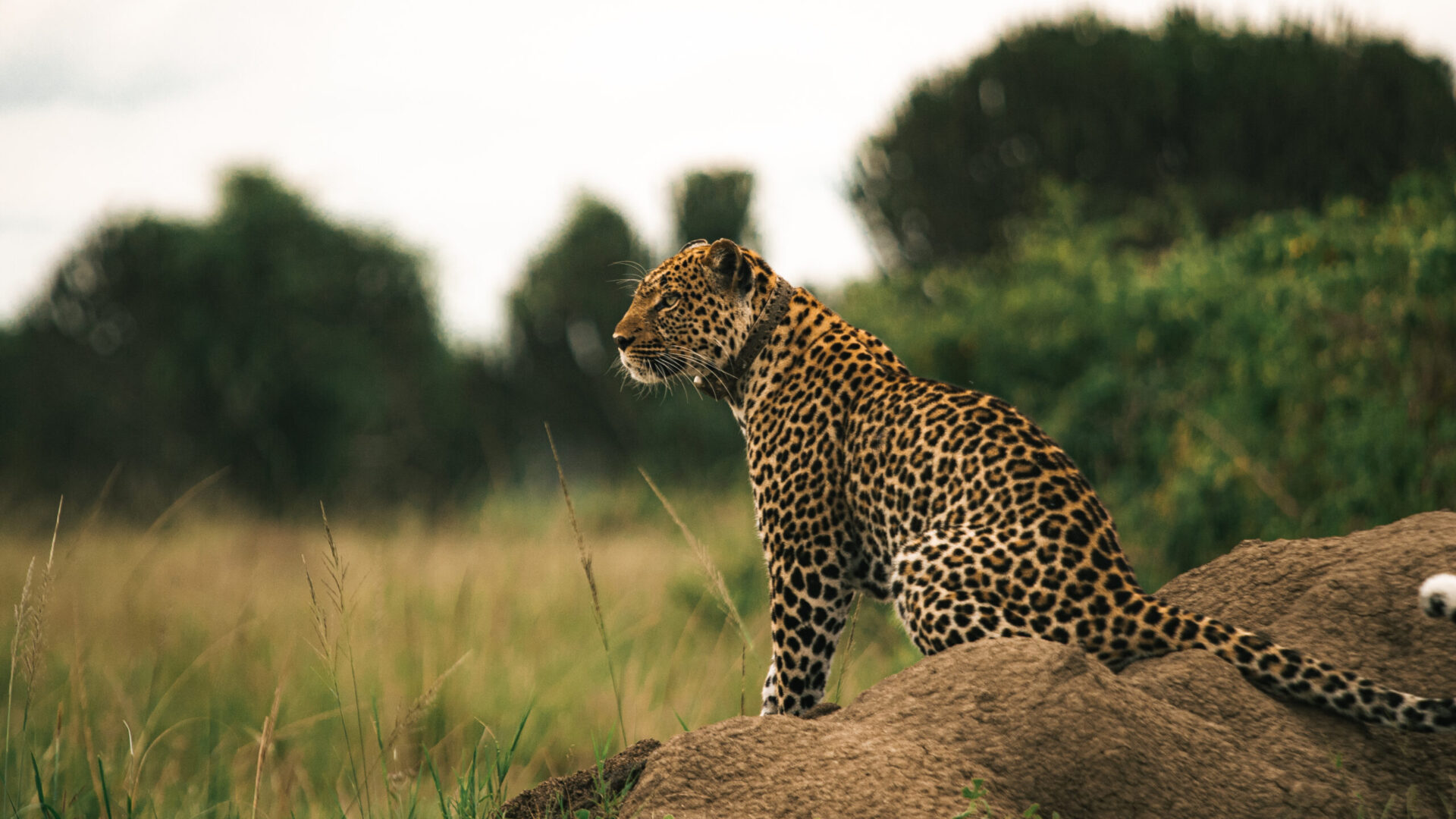
Uganda rewards photographers who bring patience rather than the longest lens. The Nile squeezing through a seven-metre gorge at Murchison Falls, a silverback framed in Bwindi mist, a shoebill rising from the delta papyrus — these are not drive-by shots. They demand early starts, stable boats, and guides who know where the light falls at 06:30 on the Buligi track.
This guide maps the best photography safaris across Uganda’s parks: what to shoot where, which seasons favour which subjects, and how to structure a trip that prioritises images over checklist ticking.
Why Uganda Works for Safari Photography
Unlike heavily trafficked savannah destinations, Uganda’s game drives rarely involve queues of vehicles at a single sighting. In Murchison Falls National Park, you can spend twenty minutes with a Rothschild’s giraffe herd on the Buligi Peninsula without another car in frame. Bwindi’s forest light is challenging but produces atmospheric portraits impossible on open plains.
The country combines savannah, riverine, montane forest and wetland habitats within a single two-week circuit — lions, chimps, gorillas, shoebills and the Victoria Nile in one portfolio.
Murchison Falls: Nile, Plains and Delta
Best subjects: Nile crocodiles and hippos at close range on the launch cruise; the falls themselves from the boat and the top-of-the-falls viewpoint; elephant and buffalo along the river; Rothschild’s giraffe and Uganda kob on game drives; shoebill stork in the Victoria Nile delta.
Practical tips: Book the upstream launch (Paraa to falls) in afternoon light for the cliff face, or the dawn delta cruise for shoebill and waterbirds. A 100–400mm lens covers most boat work; wider angles capture the falls scale. The Buligi game track is best at first light — leave Paraa by 06:30 when the ferry opens.
Season: Dry months (December–February, June–September) mean clearer skies and animals concentrated near water. Wet season brings dramatic clouds and greener backgrounds but muddier tracks.
Queen Elizabeth and Kazinga Channel
The Kazinga Channel boat cruise is Uganda’s highest-density wildlife float — hundreds of hippos, elephant herds drinking, buffalo, waterbirds and occasional leopard on the banks. For tree-climbing lions, the Ishasha sector in the park’s south requires a separate drive; afternoon light through fig trees is ideal.
Kyambura Gorge offers chimp photography in steep forest — fast-moving subjects in low light; high ISO capability matters more than reach here.
Bwindi and Mgahinga: Primate Portraits
Gorilla trekking permits (US$800, or US$600 in April, May and November) allow one hour with habituated families. Flash is prohibited; no tripod in the forest. A 70–200mm f/2.8 or similar fast zoom handles most gorilla distances (often 3–7 metres). Rain covers and lens cloths are essential — Bwindi receives 1,400–2,000 mm of rainfall annually.
Golden monkey tracking in Mgahinga Gorilla National Park (permit US$60) delivers acrobatic subjects in bamboo — faster and brighter than gorilla forest.
Kibale and Budongo: Chimps and Forest Birds
Kibale Forest’s chimp treks (US$250 permit) offer encounter rates above 90% in peak season. Budongo Forest’s Kaniyo Pabidi sector combines chimps with excellent forest bird photography — chocolate-backed kingfisher, puvel’s illadopsis and seasonal migrants.
Specialist Photography Safaris
Consider a private vehicle and guide rather than shared game drives — you control stopping time and angle. Some operators offer dedicated photo safaris with bean bags, roof hatches and guides trained in positioning. Hot-air balloon over Murchison (when operating, roughly US$380) provides aerial savannah perspectives at dawn.
Habituation experiences — four hours with gorillas (US$1,500) or a full day with chimps (US$300 at Kibale) — suit photographers who need time for composition beyond the standard one-hour trek.
Gear Checklist
Two camera bodies if possible (forest humidity and lens changes). 24–70mm and 100–400mm cover most situations. Fast memory cards — burst mode for chimps and monkeys. Neutral-coloured rain jacket doubles as camera cover. Bean bag for vehicle windows. Dust blower for savannah parks. Laptop or tablet for daily backup; power in lodges is generally reliable but carry spare batteries.
Seasonal Light and Wildlife Movement
December through February brings the driest northern conditions — dust in the air at golden hour adds warmth to Buligi backlit shots. June through September offers similar clarity with slightly cooler mornings. The long rains (April–May) soften contrast but produce saturated forest greens in Bwindi — gorilla portraits gain mood when mist hangs in the canopy. Elephant cross the Nile more predictably in dry months; in wet season they disperse into woodland, requiring longer drives but rewarding patience with isolated herd compositions.
Plan two dawn sessions at Murchison if photography is primary — one for Buligi mammals, one for delta shoebill. Rushing both into a single morning sacrifices light quality on at least one subject.
Frequently Asked Questions
- Do I need a super-telephoto lens for Uganda?
-
Not necessarily. Boat cruises and gorilla encounters often happen at close range. A versatile 100–400mm plus a wide zoom handles most situations. Kidepo and distant savannah shots reward longer reach.
- Can I use a drone in national parks?
-
No. Uganda Wildlife Authority prohibits drone use inside protected areas without special research permits.
- What is the best month for photography?
-
February and September offer a balance of dry weather, good light and active wildlife. April–May is wetter but less crowded — excellent for atmospheric forest shots if you accept rain risk.
- Are photo workshops available?
-
Some lodges and operators run seasonal workshops, particularly around Murchison and Bwindi. Private guiding achieves similar results with more flexibility.
- What lens should I bring for Murchison boat cruises?
-
A 24–70mm handles cliff and falls scale; 70–200mm covers hippo and bird detail at mid-range. Waterproof cover essential — spray near the falls soaks unprotected gear. Boat operators allow monopods on larger vessels if space permits.
Plan Your Safari
Photography safaris need unhurried scheduling — buffer days around primate treks, private boats on the Nile, and dawn drives when the light is right. Browse our Murchison Falls safaris or ask us to build a custom photo-focused itinerary across Uganda’s parks.