Gorilla trekking in Uganda does not have to mean US$15,000 luxury lodges or private charters. The US$800 permit (US$600 in April, May and November) is fixed — but everything around it — vehicle sharing, lodge tier, road vs fly, chimp site selection — offers genuine savings without cutting the encounter itself.
This guide explains how budget gorilla trekking tours work, realistic total costs, trade-offs you accept, and itineraries that keep per-person spend below US$3,500 excluding international flights.
What You Cannot Budget-Cut
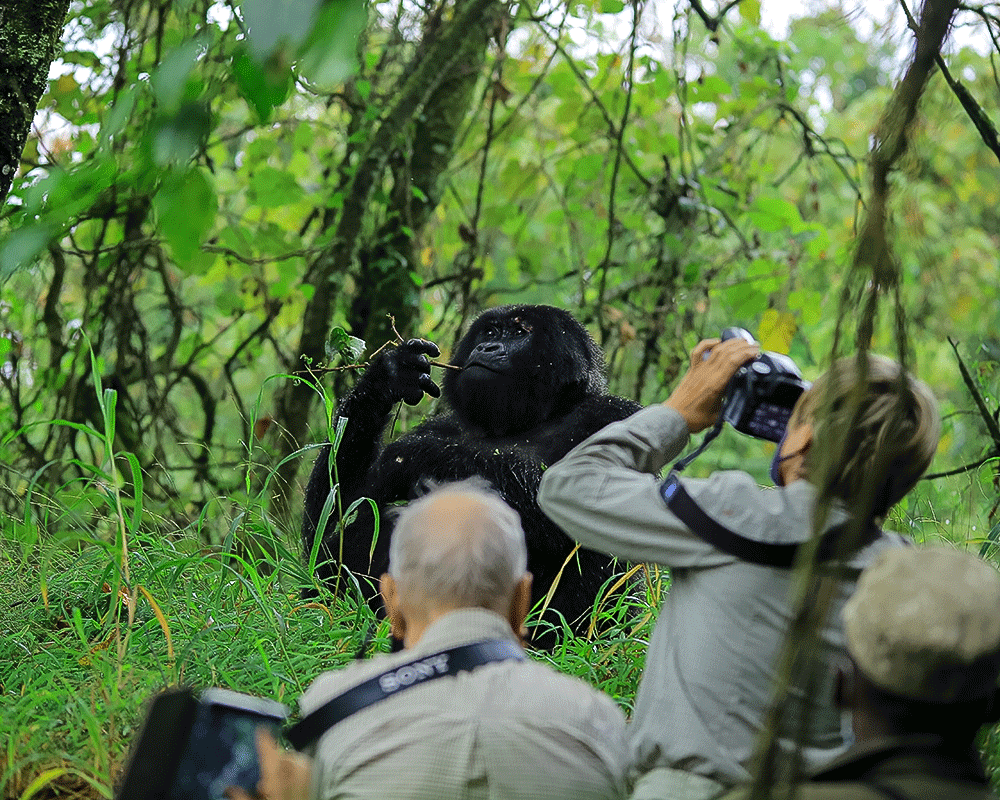
The gorilla permit is non-negotiable — US$800 peak, US$600 low season for foreign non-residents. UWA does not offer student or youth discounts. Fake or unofficial permits exist — book only through Uganda Tourism Board licensed operators. Park rules, trekking quality and one-hour gorilla contact are identical whether you sleep in a US$50 guesthouse or a US$1,200 lodge.
Where Savings Come From
Low-season permits: April, May, November save US$200 per permit. Rain risk increases; forest is lush and crowds thin. Discounted permits cannot be rescheduled — firm dates required.
Shared group departures: Joining a scheduled small-group tour splits vehicle, guide and fuel across 4–6 passengers. Saves US$500–1,000 per person versus private hire on the same route.
Road transfer vs charter: Entebbe to Bwindi by road (8–10 hours) costs a fraction of Entebbe–Kihihi flights. Accept a long travel day.
Lodge tier: Budget band US$50–100 per night (shared facilities, basic comfort) vs mid-range US$150–250. Gorilla trekking days you are in forest at dawn — lodge luxury matters less than location near trailhead.
Skip secondary permits: One gorilla trek, no habituation (US$1,500). Chimps at Kyambura (US$100) or Kalinzu (US$130) instead of Kibale (US$250) if chimps are secondary.
Sample Budget Itinerary (8 Days)
Day 1: Entebbe — budget guesthouse.
Day 2: Drive to Lake Mburo — zebra, impala, overnight budget lodge.
Day 3: Drive to Bwindi (Ruhija or Rushaga sector — permit availability dependent).
Day 4: Gorilla trek — the core experience.
Day 5: Community walk or rest; drive toward Queen Elizabeth.
Day 6: Kazinga Channel shared boat; overnight near park.
Day 7: Return toward Entebbe — stop Kampala or Equator.
Day 8: Depart.
Estimated per person (shared group, 4 travellers, low-season permit):
— Gorilla permit: US$600
— 7 nights budget lodging: US$350–500
— Shared vehicle/guide/fuel: US$600–800
— Park fees, boat, meals: US$250–350
Total: US$1,800–2,250
Add US$200 for peak-season permit. Private vehicle pushes total toward US$3,000–3,500.
Budget Gorilla + Murchison Variant
Start north at Murchison Falls (US$45 daily entry) for affordable savannah and Nile boat — skip paid chimp permits and add Budongo (US$130) if budget allows. Drive south to Bwindi. Ten days, shared vehicle, budget lodges: US$2,400–3,200 per person with peak-season gorilla permit.
Trade-Offs to Accept
Long road days on corrugated sections. Less flexibility on dates and stops. Basic lodge bathrooms and occasional power cuts. Early-morning departures with shared group pacing. No habituation or luxury fly-in shortcuts. Rain in low season — leeches and mud on trek day.
What you do not sacrifice: gorilla encounter time, ranger professionalism, or safety standards at reputable operators.
Red Flags in Cheap Quotes
Permit price omitted or “pay on arrival” — permits must be prepaid through licensed operators. Vehicle described as “saloon car” for Bwindi roads — you need 4×4. Gorilla trek promised without confirmed permit number. Lodge “near Bwindi” but two hours from trailhead — you will miss briefing. Unlicensed operators — verify on Uganda Tourism Board list.
Group Join-In Departures
Scheduled small-group tours (4–6 travellers) depart monthly in peak season — the lowest per-person cost without sacrificing permit security. Shared vehicle, shared guide, set itinerary. Less flexibility on stops and timing than private hire. Ideal for solo travellers and pairs comfortable with group pacing.
Accommodation on budget group tours is typically double-occupancy bandas or guesthouses — single supplements apply. Confirm what is included: some quotes exclude park entry, boat fees and tips. Transparent operators itemise permit numbers in writing before payment.
Frequently Asked Questions
Is US$1,500 total realistic for gorilla trekking?
Not including international flights, only with low-season permit, camping or very basic lodging, and group sharing — and even then it is tight. US$2,000–2,500 is more realistic for a reputable budget tour.
Is Rwanda cheaper for budget gorilla trekking?
No — Rwanda permits are US$1,500. Uganda is the budget gorilla destination in the Virunga region.
Can I self-drive to save money?
Possible for experienced Africa drivers — 4×4 hire US$80–120/day plus fuel. You still need permit through an operator. Bwindi sector roads are challenging; many budget travellers prefer shared driver-guide packages.
When is the cheapest month?
April or May — low-season permit plus lowest lodge rates. November is shorter rain window with same permit discount.
Camping at Bwindi community sites (where available) reduces accommodation below guesthouse tier — tent hire and park camping fees add to logistics but cut nightly costs for adventurous budget travellers.
What is the cheapest month for a gorilla safari?
April or May — US$600 permits plus lowest lodge rates. November offers shorter rain windows with the same permit discount.
Maximising Value on a Budget
Travel in pairs or small groups of four — shared vehicle cost per person drops sharply versus solo private hire. Choose guesthouses with breakfast included. Pack snacks for long road days to avoid expensive lodge lunch charges when not included. Book low-season permits only when dates are immovable — rescheduling is not permitted on discounted gorilla permits, making false economy if one rain day disrupts your only trek morning.
Plan Your Safari
Budget gorilla trekking is about smart structure, not cutting corners on permits or safety. Ask us for shared-departure dates or low-season quotes. Browse Uganda safaris and primate safari costs explained.