



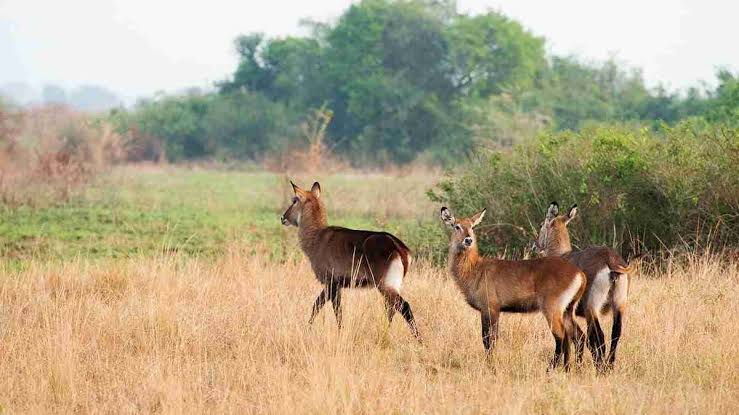
Murchison Falls & Bwindi Gorilla Safari
Uganda is one of the few countries where you can watch lions on open savannah in the morning and sit among mountain gorillas in misty forest the same week. A Murchison Falls & Bwindi Gorilla Safari pairs the country’s largest national park — thundering Nile, Rothschild’s giraffe and elephant herds — with its most intimate wildlife encounter in Bwindi Impenetrable National Park. Done well, it feels like two safaris in one country rather than a rushed checklist.
This guide explains how the two parks fit together: realistic day counts, the road and flight options between them, what permits and park fees add to the budget, and how to pace the journey so you arrive at each highlight rested rather than road-weary. Whether you have eight days or twelve, the routing matters as much as the destinations.
Why combine Murchison Falls and Bwindi
Murchison Falls National Park covers roughly 3,840 square kilometres of savannah, woodland and riverine forest along the Victoria Nile. Game drives on the northern bank regularly produce elephants, buffalo, Uganda kob, hartebeest and lions, while the park holds the world’s largest population of Nubian giraffe — over 1,500 animals and still growing, according to recent Giraffe Conservation Foundation surveys. The Nile launch cruise to the base of the falls, where the entire river is forced through a seven-metre gorge, is one of Uganda’s defining experiences.
Bwindi Impenetrable National Park, by contrast, is steep, dense Afromontane forest sheltering roughly half the world’s remaining mountain gorillas. A standard trek — briefing at 7:30 am, then anywhere from two to eight hours on forest trails — ends with a regulated hour in the presence of a habituated family. It is physically demanding and emotionally unforgettable, which is why most travellers want a full day either side of it rather than a long drive on trek morning.
Suggested itinerary shape
Most well-paced Murchison-and-Bwindi safaris run eight to ten days. A fly-supported version keeps the focus on wildlife rather than tarmac; an overland version adds scenery and optional stops but needs more time.
Days 1–2: Leave Entebbe or Kampala and drive north, breaking at Ziwa Rhino Sanctuary — about 176 km from Kampala — for on-foot white rhino tracking (around US$50 per person). Continue to Murchison via the Kichumbanyobo or Tangi gate; the full transfer from Entebbe typically takes four to five hours without the rhino stop.
Days 3–4: Cross the Paraa ferry to the northern bank for morning game drives, then take the afternoon Nile launch cruise from Paraa — roughly two hours upstream to the foot of the falls, passing hippos, Nile crocodiles and waterbirds. A second morning can cover the delta track for shoebill storks or the Top of the Falls viewpoint.
Day 5: Transfer south. By road this is a long day — roughly 530 to 600 km and ten to twelve hours depending on your Bwindi sector — so we usually break it with an overnight in Fort Portal or fly from Pakuba or Bugungu airstrip to Kihihi (for Buhoma and Ruhija sectors) or Kisoro (for Rushaga and Nkuringo), about an hour in the air against a full day on the road.
Days 6–7: Gorilla trekking day, then a rest day, Batwa forest cultural visit or optional second trek if you hold a second permit. Treks are assigned by sector — Buhoma, Ruhija, Rushaga or Nkuringo — and your lodge must match; the sectors can be up to four hours apart on steep murram roads.
Days 8–10 (optional): Return to Entebbe, or exit via Kigali if that shortens your homeward flight. Adding Kibale Forest for chimpanzee tracking or Queen Elizabeth for the Kazinga Channel boat cruise turns the route into a fuller western circuit — our 8 Day Murchison, Kibale & Bwindi Safari follows that shape overland.
Getting between the parks
The parks sit at opposite corners of Uganda. From Kampala, Murchison is about 305 km and five hours; Bwindi is 460 to 540 km and eight to ten hours — so linking them overland in a single push is rarely enjoyable. Scheduled light-aircraft flights with operators such as Aerolink and Fly Uganda connect Pakuba or Bugungu near Murchison with Kihihi and Kisoro near Bwindi for roughly US$250–300 one way, and that single flight often makes an eight-day itinerary workable.
If you prefer to drive, splitting the journey through Fort Portal or Hoima keeps it manageable. Queen Elizabeth National Park lies on the western corridor between the two — only two to three hours from Bwindi via the Ishasha sector — and makes a natural overnight if you want tree-climbing lions and a Kazinga Channel cruise in the mix. Our guide on driving from Bwindi to Murchison Falls compares the main route options in detail.
Permits, park fees and budget
Gorilla permits dominate the cost. Under the UWA tariff valid through June 2026, foreign non-residents pay US$800 per standard trek (US$600 in the discounted months of April, May and November). Foreign residents pay US$700, and permits are locked to a specific Bwindi sector at booking — full payment is required upfront, and peak-season dates often sell out six to ten months ahead.
Murchison park entry is US$45 per person per 24 hours for foreign non-residents, with the Nile launch cruise an additional US$30. UWA-guided game drives run US$30 per vehicle; rhino tracking at Ziwa and optional chimpanzee trekking in Budongo Forest (from Kaniyo Pabidi, about US$90) sit on top. Porters for the gorilla trek — strongly recommended on Bwindi’s slopes — cost around US$15–20 and employ local community members.
Pulling it together, a mid-range eight-day Murchison-and-Bwindi safari with one fly leg typically runs US$3,500–5,500 per person, depending on lodge tier and whether you add Queen Elizabeth or Kibale. Budget itineraries using simpler lodges and all-road transfers sit lower; luxury fly-in trips with premium forest camps push well beyond that range.
Best time to travel
Uganda safaris run year-round, but the drier months — June to September and December to February — give the firmest forest trails for gorilla trekking and the most reliable savannah game viewing. April, May and November are wetter, with heavier roads and occasional trek cancellations, yet they bring discounted gorilla permits, greener scenery and fewer vehicles on the tracks. Murchison’s northern bank game drives and the Nile cruise work in any season; pack a light rain jacket for Bwindi regardless of when you travel, as the forest creates its own weather.
Accommodation and pacing
Lodge choice should follow your route, not the other way around. Around Murchison, most travellers base near Paraa on either bank of the Nile — luxury options overlook the river, while mid-range and budget lodges cluster closer to the ferry crossing. In Bwindi, sector-specific lodges matter: Buhoma offers the gentlest terrain and widest choice for first-time trekkers; Rushaga has the most habituated families and the only Gorilla Habituation Experience (US$1,500, four hours with researchers); Nkuringo rewards fit walkers with the finest views but the steepest climbs.
We match accommodation tier — budget, mid-range or luxury — to your budget and build rest days where the driving demands it. Rushing a gorilla trek after a twelve-hour transfer is how good holidays turn sour; one fewer park and one more night in the right place almost always delivers a better trip.
Frequently Asked Questions
- How many days do you need for Murchison Falls and Bwindi?
-
Eight days is the practical minimum if you fly one leg; ten days is more comfortable overland, especially with a stop at Queen Elizabeth or Kibale. Seven days is possible with two flights but leaves little room for weather delays or a rest day after trekking.
- Can children join a gorilla trek?
-
UWA sets the minimum age at 15. Families with younger children can still enjoy Murchison’s game drives and boat cruise, and older teenagers who meet the age rule often describe the gorilla hour as the highlight of their lives.
- Should I book Murchison first or Bwindi?
-
Secure the gorilla permit first — dates and sectors are fixed and capacity is capped at eight trekkers per family per day. Everything else, including flights and lodge nights, should be planned around that confirmed trek date.
- Is it better to fly or drive between the parks?
-
Fly if your time is tight or you want to arrive fresh for the trek. Drive if you enjoy the scenery, have ten or more days, and can break the journey overnight. Many itineraries drive north to Murchison and fly south to Bwindi — the best of both approaches.
- Can the itinerary be customised?
-
Yes. Route, lodge tier, optional chimps at Kibale, rhino tracking at Ziwa, a second gorilla trek and exit via Kigali rather than Entebbe can all be adjusted. Early booking matters most for peak-season permits and popular lodges.
Plan Your Safari
A strong Murchison Falls & Bwindi Gorilla Safari starts with honest routing — matching your days to the distances, securing permits before lodges fill, and choosing fly or drive legs deliberately rather than by default. Browse our Murchison Falls safaris and gorilla trekking safaris, read combining Murchison with gorilla trekking, or tell us your dates and we will build a quotation around the pace that suits you.