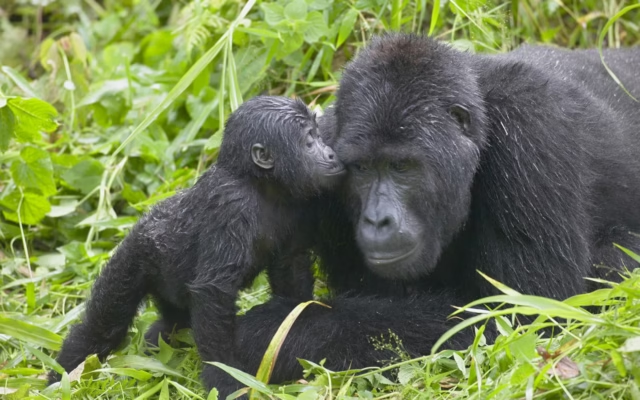
Gorilla trekking rules exist for one reason: mountain gorillas share approximately 98% of human DNA and are vulnerable to our diseases. A respiratory infection that causes a mild cold in you can kill a gorilla. Uganda Wildlife Authority enforces strict protocols at every briefing — and the age limit of 15 years is absolute, with no exceptions for mature teenagers or parental waivers.
This guide lists every rule you will encounter on trek day, explains why each exists, and covers age limits, health exclusions and conduct near the animals.
Age Limits
Minimum age: 15 years on the day of trekking. UWA checks passports at briefing. No exceptions — this policy applies across Bwindi Impenetrable National Park and Mgahinga Gorilla National Park, standard treks and habituation experiences alike.
Families with younger children: Ngamba Island Chimpanzee Sanctuary on Lake Victoria offers orphaned primate viewing without age restrictions. Some lodges provide babysitting during trek mornings. Queen Elizabeth and Murchison game drives suit all ages.
Maximum age: No official upper limit — fitness matters more than years. Rangers assess trek difficulty at briefing; porters assist elderly travellers. Honest disclosure of heart conditions, mobility limits and recent surgery is essential.
Health Exclusions on Trek Day
You will be excluded from trekking — without permit refund — if you have:
— Cough, cold, flu or respiratory symptoms
— Fever or diarrhoea
— Open wounds or contagious skin conditions
— Recent undisclosed illness rangers identify as risk
Self-report honestly at briefing. Rangers turn away unwell visitors to protect gorillas — this is non-negotiable conservation policy, not operator inconvenience.
Distance and Time Rules
Minimum distance: 7 metres from gorillas — though gorillas may approach closer; slowly back away if they move toward you.
Maximum visit: One hour with habituated families on standard treks. Habituation experiences allow four hours (Rushaga, US$1,500 permit).
Group size: Maximum eight visitors per gorilla family per day, plus trackers and guides.
Voice: Quiet voices at all times. No shouting or sudden movements.
What Is Prohibited Near Gorillas
Eating and drinking in presence of gorillas.
Smoking in the park.
Flash photography — permitted cameras only without flash.
Touching gorillas — even if they approach you. Stay still, avoid direct eye contact with silverbacks if charged.
Litter of any kind — pack out everything.
Pointing or aggressive gestures toward animals.
Toileting in forest during gorilla contact — use facilities at briefing point; bury waste at designated stops only when rangers permit during long treks.
Mask and COVID-Era Protocols
Face masks are required when near gorillas — N95 or surgical standard. Some operators provide masks; bring spares. Hand sanitising before entering forest. These protocols persisted after broader COVID travel restrictions lifted because disease risk to gorillas is permanent, not pandemic-specific.
Trekking Conduct in Forest
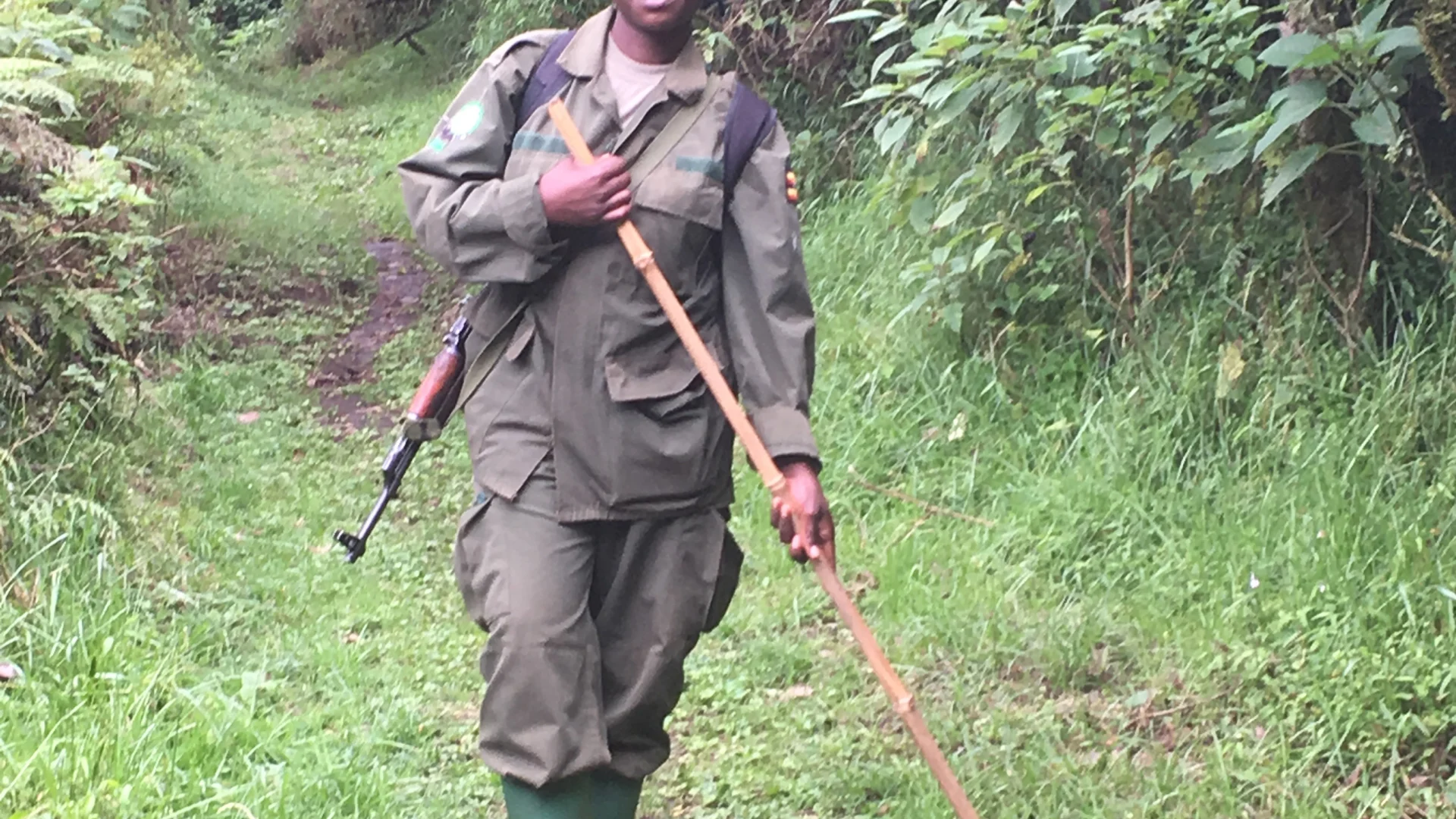
Follow ranger instructions without argument — they know family behaviour. Stay in your group. Do not split off for better photos. If a silverback charges (chest-beating, mock charge), crouch down, look submissive, do not run. Running triggers chase instinct.
Porters are optional but recommended — they carry daypacks and assist on muddy slopes. Tip at your discretion (US$15–20 base plus tip is standard).
Photography Rules
No flash. DSLR and mirrorless permitted. Tripods impractical on steep forest trails — monopods or handheld. Switch to silent shutter if available. Do not let photography positioning block other visitors’ views — rotation is expected.
Permit and Sector Rules
Your permit is valid for one specific date, sector and family assignment. You cannot exchange sectors on trek day. Arrive at correct briefing point — Buhoma, Ruhija, Rushaga, Nkuringo or Mgahinga Ntebeko — per permit. Late arrival forfeits trek without refund.
Minimum fitness: ability to walk 2–6 hours on steep, muddy terrain at 1,500–2,600 metres elevation. Trek difficulty is rated at briefing — request easier family assignment if fitness limited (not guaranteed).
Penalties for Violations
Rangers end encounters immediately if rules are broken — no refund, no second chance same day. Serious violations (touching gorillas, deliberate littering, trekking while ill and concealing symptoms) can result in park bans and fines. Uganda Wildlife Authority takes enforcement seriously.
What Happens at the Briefing
Arrive at sector headquarters at least 30 minutes before briefing — late arrival forfeits your trek. Rangers assign families based on permit, fitness declarations and daily gorilla locations. Porters are allocated or chosen on site. Rules are repeated verbally; signing waiver forms is standard. Toilet facilities are available before forest entry — use them.
Walking sticks and porter hire are arranged at briefing. Walking sticks are often free or low-cost; porters expect US$15–20 plus tip. Rangers group visitors with similar fitness where possible — honesty about knee problems, heart conditions or recent injuries helps assignment to appropriate trail difficulty.
Frequently Asked Questions
- Can a 14-year-old trek if they are tall and fit?
-
No. The 15-year minimum is strict. Passport age is verified.
- Can pregnant women trek?
-
Not prohibited officially but strongly discouraged. Most doctors and operators advise against due to exertion and disease risk. UWA rangers may decline at their discretion.
- Are trekking poles allowed?
-
Yes — useful on muddy slopes. Rubber tip covers protect forest floor. Available for hire locally.
- What happens if I am sick the night before?
-
Contact your operator immediately. Standard permits may reschedule with UWA fee; low-season discounted permits cannot. Medical certificate may support insurance claims.
Gorilla trekking certificates issued at park headquarters make modest souvenirs — optional purchase, not required. Walking sticks are sometimes gifted or sold at trailheads; returning them supports reuse programmes.
- Can I wear a face shield instead of a mask?
-
UWA requires masks that cover nose and mouth near gorillas. Standard surgical or N95 masks — not face shields alone.
Plan Your Safari
Understanding rules before departure prevents disappointment on trek morning. We brief every client on UWA protocols with their permit confirmation. Book via Uganda safaris and read our what to pack for gorilla trekking guide.