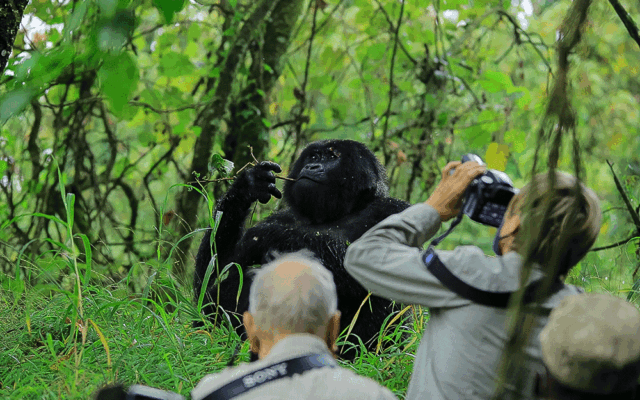
Standard gorilla trekking permits you one hour with a fully habituated mountain gorilla family. The gorilla habituation experience in Bwindi’s Rushaga sector extends that to four hours alongside Uganda Wildlife Authority researchers and trackers — following a semi-habituated group still learning to tolerate human presence. It is Uganda’s deepest primate immersion and the closest most travellers come to field primatology.
This guide covers permit cost (US$1,500), daily visitor limits, physical demands, and how habituation compares to the standard US$800 trek.
What Habituation Means
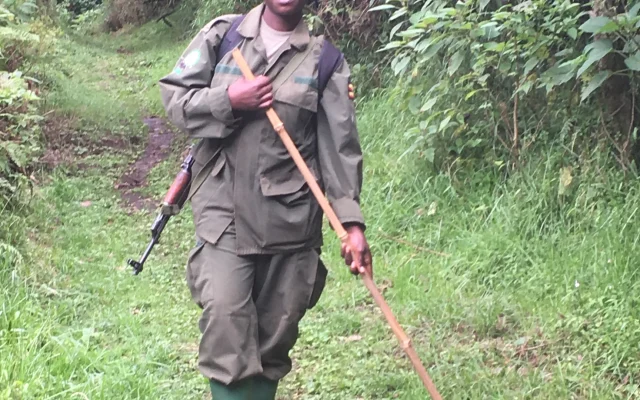
Habituation is the multi-year process of gradually acclimatising wild gorillas to researchers and rangers. Semi-habituated groups accept observers at moderate distance but retain warier behaviour than fully habituated families visited on standard treks. Visitors on habituation experiences join this daily process — watching nesting emergence, feeding routes, social interactions and vocal communication across a full forest day.
Only Rushaga sector in southern Bwindi offers gorilla habituation experiences to tourists. Four visitor permits per day — severely limited compared to standard trek quotas.
Permit Details
Cost: US$1,500 foreign non-resident (UWA tariff July 2024–June 2026). US$1,000 foreign resident. US$1,000 Rest of Africa.
Duration: Up to four hours with gorillas once located — typically dawn to early afternoon in forest.
Includes: Park entry for trek day, guide and researcher access, community development contribution.
Booking: Through licensed tour operators only. Full payment at booking. Book 9–12 months ahead for peak season. Low-season gorilla discounts (US$600) apply to standard treks only — not habituation.
The Day’s Structure
Earlier start than standard treks — briefing around 06:30 at Rushaga. Join researchers tracking gorilla night nests from dawn. Follow group through forest as they feed and move. Behaviour is less predictable — gorillas may keep distance, vocalise more, or move quickly through bamboo. Researchers explain social dynamics, individual identification and conservation context throughout.
Pack lunch and sufficient water — you remain in forest for the full experience. Toilet stops only at designated points before approaching animals.
Who Should Book
Ideal candidates: Repeat gorilla trekkers wanting more than one hour. Wildlife photographers needing time for behavioural sequences. Primatology enthusiasts. Documentary filmmakers (separate permits may apply for professional equipment).
Reconsider if: First-time Uganda visitor with limited budget or time — standard trek delivers excellent encounters. Anyone with limited fitness — habituation involves longer forest time than typical treks. Families with children under 15 — age limit applies equally.
Physical Demands
Rushaga sector trails are steep and muddy — among Bwindi’s more demanding sectors. Four hours in forest exceeds standard trek duration. Altitude 1,800–2,400 metres. Hire porter and use walking poles. Schedule recovery day after — do not pair with chimp trekking next morning unless very fit.
Lodging Near Rushaga
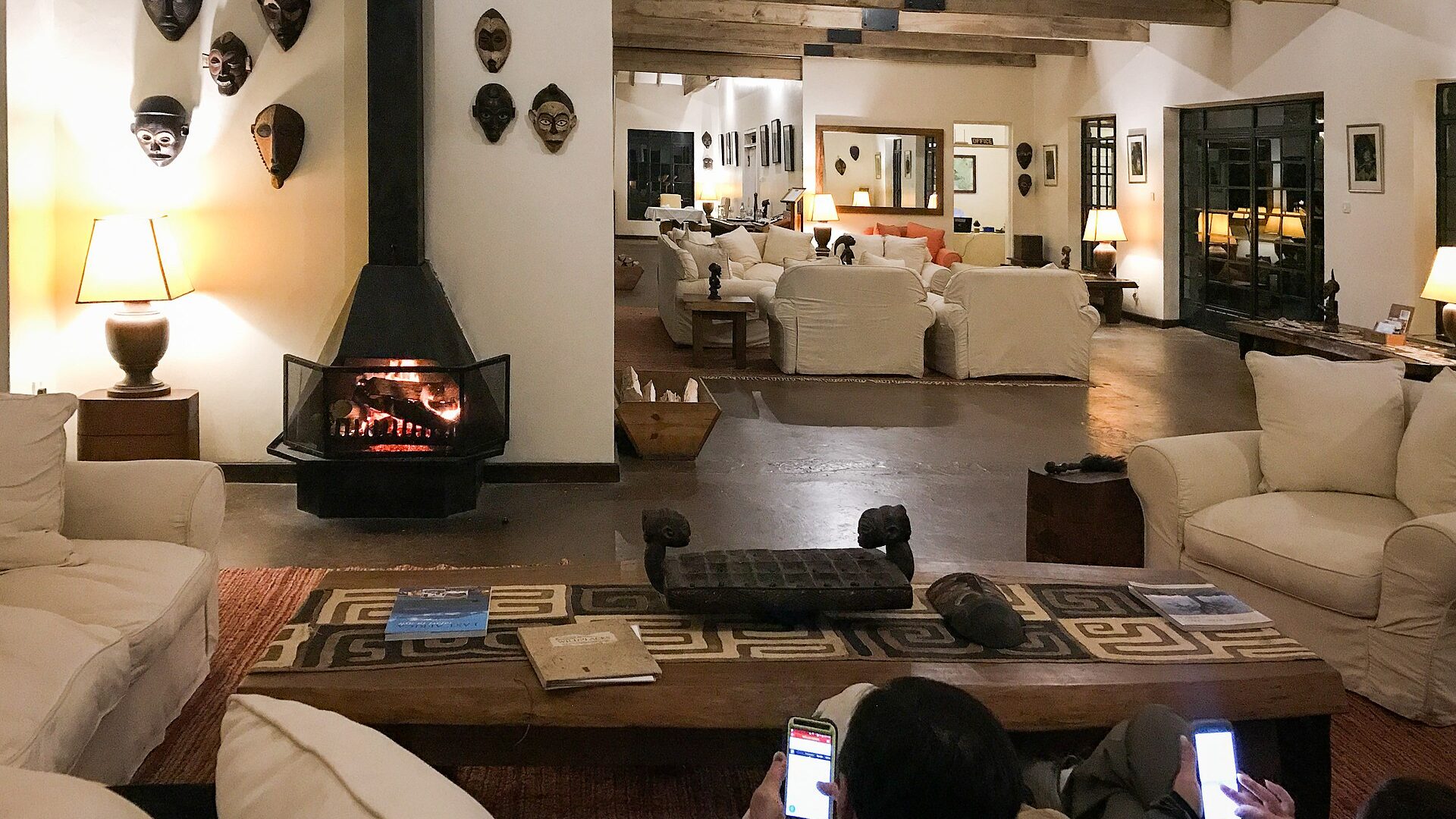
Clouds Mountain Gorilla Lodge (Nkuringo — nearby), Rushaga Gorilla Camp, Four Gorillas Lodge, Ichumbi Lodge. Sector-specific — book lodge after permit confirmation. Nkuringo and Rushaga are connected by road but not walking distance — transfer times matter for dawn briefings.
Combining with Chimp Habituation
Kibale’s chimp habituation experience (US$300, full day) pairs logically for primate immersion itineraries. Combined permit cost US$1,800 before lodges and transport. Allow 10–12 days minimum with recovery spacing. See chimp habituation experience guide.
Rules and Health
Identical disease protocols as standard treks — no trekking with respiratory symptoms, masks near gorillas, 7-metre distance target, no eating near animals, no flash photography. Minimum age 15. Rangers end experience immediately if rules are violated.
Research Context and Conservation Impact
Habituation permit revenue funds the multi-year process of acclimatising gorillas to human observers — ranger salaries, veterinary monitoring, anti-poaching patrols and community compensation when crop-raiding occurs. Visitors on habituation days directly subsidise research that makes standard treks possible for thousands of annual trekkers.
Understanding this transforms the experience from tourism into participation in conservation. Researchers often share individual gorilla histories — births, silverback succession, injuries — that standard one-hour treks cannot accommodate. The four-hour window allows narrative depth matching the financial premium.
Frequently Asked Questions
- Is four hours guaranteed?
-
You receive up to four hours once gorillas are located. Search time beforehand varies. Researchers may end early if gorillas show stress or weather turns dangerous.
- Can I do habituation and standard trek on consecutive days?
-
Physically possible but demanding. Most operators insert a rest day or savannah game drive between primate days.
- How does this compare to Rwanda?
-
Rwanda does not offer tourist gorilla habituation experiences equivalent to Uganda’s Rushaga programme. Uganda is the only country where this product exists at scale.
- Is the US$700 premium over standard trek worth it?
-
For dedicated primate enthusiasts and photographers, the extra time is transformative. For most first-time visitors, standard one-hour treks are sufficient.
Photographers on habituation days should carry spare batteries and memory cards — four hours of continuous shooting in forest humidity depletes equipment faster than standard one-hour treks.
- How many habituation permits exist per day?
-
Four visitor slots for gorilla habituation at Rushaga — among the scarcest permits in Ugandan tourism. Book as early as possible.
Preparing for Briefing Day
Pack lunch is not eaten near gorillas — consume before forest entry or after returning. Wear clothes you do not mind getting muddy; bright colours and strong perfume are discouraged. Leave bags in vehicle or with porter — only essentials enter forest. Charge camera batteries fully; cold batteries fail faster at Bwindi altitude. Respect the rules without negotiation — rangers enforce them for conservation, not convenience.
Plan Your Safari
Habituation permits are the scarcest product in Ugandan tourism — we monitor Rushaga availability and build itineraries around confirmed dates. Request a quote via Uganda safaris or explore luxury gorilla trekking safaris.