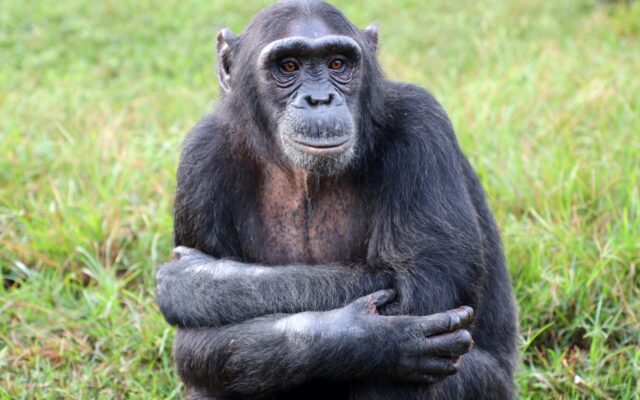
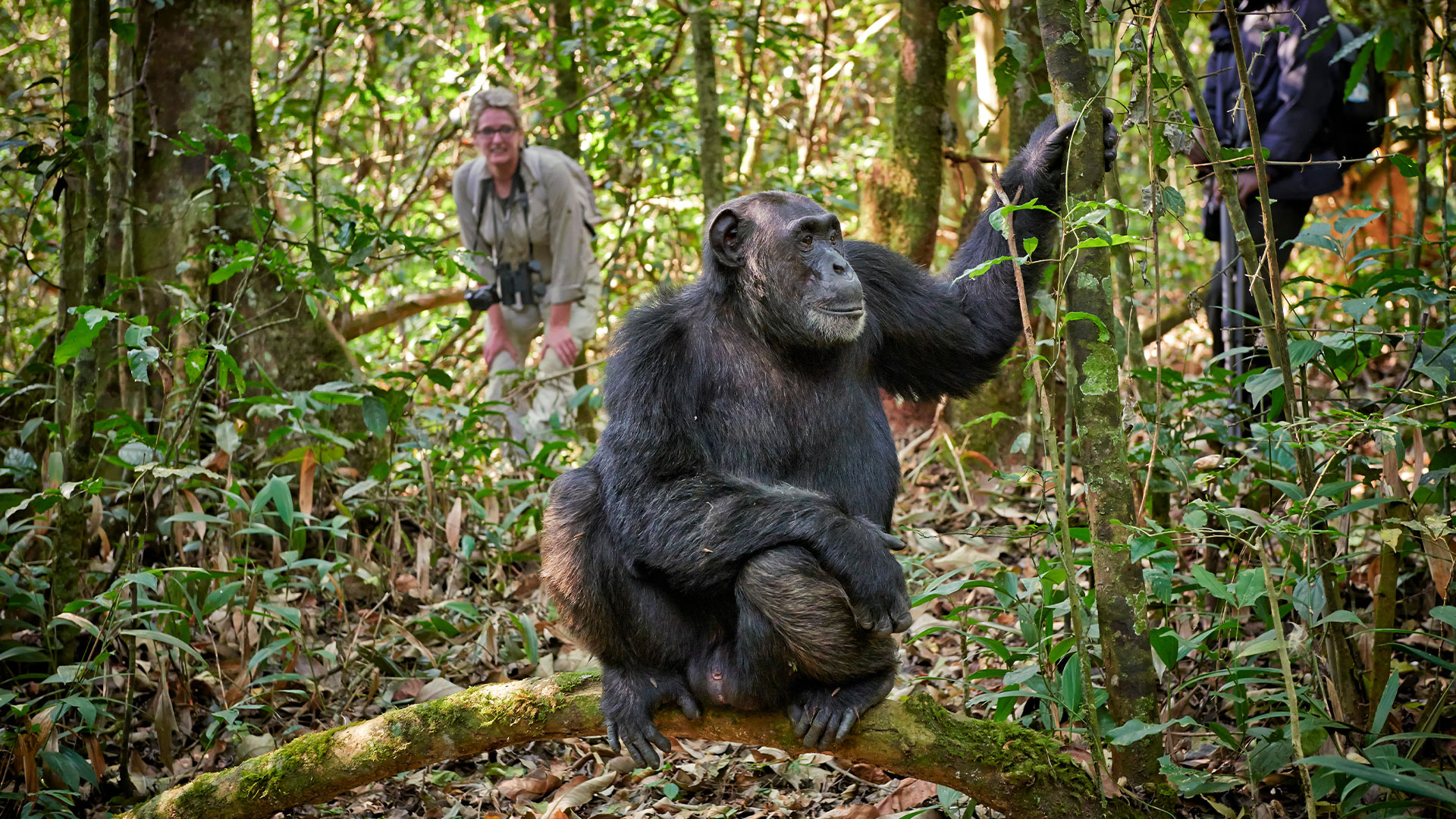
Standard chimpanzee tracking gives you up to one hour with a habituated group once rangers locate them. The chimp habituation experience at Kibale Forest National Park offers something rarer: a full day following researchers and trackers as they acclimatise a chimp community to human presence — observing nesting, feeding, vocal displays and social politics across dawn-to-dusk forest time.
This guide explains how habituation differs from standard treks, what US$300 buys under current UWA tariffs, and who should — and should not — book the experience.
Habituation vs Standard Tracking
Standard trek: US$250 permit (US$200 low season). Morning briefing, 1–3 hour search, maximum one hour near chimps, return by early afternoon. Group up to six visitors.
Habituation experience: US$300 permit. Depart around 06:30 with researchers. Follow semi-habituated chimps through forest until they nest in evening — often 6–8+ hours in field. Group size smaller (typically four visitors). Chimps may be more wary, noisier and mobile than fully habituated groups.
Habituation is research-led conservation work that visitors observe — not a performance for tourists. Behaviour is less predictable; patience is essential.
What You Will See
Researchers document feeding ecology, range patterns, social hierarchy and health. You may witness pant-hoot choruses, territorial displays, grooming networks and — occasionally — hunting behaviour. Semi-habituated chimps maintain more natural distance than fully habituated groups at standard trek sites.
Photographers gain time for composition and behavioural sequences impossible in a single hour. Naturalists gain context trackers rarely share on short treks.
Physical and Mental Demands
This is the most demanding chimp experience in Uganda. Full-day forest walking, often off-trail, in heat and humidity. Pack two litres of water minimum, calorie-dense snacks (eating away from chimps), rain gear and knee-support if needed. Fitness equivalent to a moderate mountain hike — not a gentle nature stroll.
Not suitable for travellers who struggle with standard chimp treks or who need reliable afternoon rest (e.g. before next-day gorilla trekking — schedule recovery days).
Booking and Availability
Only Kibale offers the full chimp habituation experience among Uganda’s major sites. Permits are limited — typically one or two groups on designated days. Book 3–6 months ahead for peak season (June–September, December–February). Foreign non-resident permits must be purchased through licensed tour operators with full payment at booking.
Low-season chimp discounts (US$200 standard trek) may not apply to habituation — confirm current UWA policy when quoting.
Combining with Gorilla Habituation
Uganda offers both chimp habituation (Kibale, US$300) and gorilla habituation (Bwindi Rushaga, US$1,500). Primate enthusiasts occasionally book both — allow recovery days between. Total habituation permit spend: US$1,800 per person before any standard treks, lodges or transport. A 10–12 day primate immersion itinerary is minimum sensible duration.
Rules and Health Protocols
Same disease transmission rules as all primate treks — no participation with flu symptoms, diarrhoea or open wounds. Minimum age typically 15 for habituation (confirm with UWA). Masks when near chimps. Maintain distances rangers specify. No flash photography. Toileting only at designated forest stops before approaching animals.
Who Should Book
Ideal: Repeat Uganda visitors who have done standard chimp treks. Wildlife photographers needing time. Primatology enthusiasts. Travellers with full fitness and flexible pacing.
Skip if: First safari with limited time — standard Kibale trek delivers excellent encounters for US$50 less and half the duration. Anyone with next-day gorilla trekking scheduled. Travellers with limited mobility.
What to Pack for Habituation Day
Pack lunch and twice your normal water quantity — full-day forest time without lodge meal breaks. Energy-dense food eaten only when rangers permit stops away from chimps. Binoculars help observe canopy behaviour when chimps are arboreal. Notebook users appreciate waterproof covers; rain is common regardless of season.
Wear the same kit as standard treks: waterproof boots, gaiters, neutral clothing, insect repellent. Habituation involves more standing and waiting than walking some days — lightweight camp stool not permitted; use fallen log rests only when rangers allow. Camera batteries: full-day access drains power faster than standard treks.
Frequently Asked Questions
Is the habituation experience worth US$300 over standard tracking?
For dedicated primate lovers, yes — the time and research access justify the modest premium. For most first-time visitors, standard Kibale tracking is sufficient.
What is the success rate for finding chimps?
High — researchers track collared or known groups daily. Failure is rare but possible if chimps cross into deep swamp or range beyond visitor follow distance.
Can I leave early if tired?
Rangers can escort you out, but there is no partial refund. Commit only if confident in full-day stamina.
How does this compare to Kyambura or Budongo?
Those sites offer standard tracking only. Habituation is Kibale-exclusive among Uganda’s mainstream chimp destinations.
Researchers at Kibale occasionally pause habituation days for veterinary intervention or heavy rain — operators reschedule to the next available slot without additional permit cost when UWA initiates the postponement.
How many habituation permits are available daily?
Limited — typically one or two groups. Confirm exact daily quota with your operator at booking; UWA adjusts availability based on research schedules.
Recovery and Pacing
Schedule a rest afternoon or travel day after habituation — legs and concentration fatigue are real after six to eight forest hours. Do not pair habituation with gorilla trekking on consecutive days unless your fitness is proven on prior primate treks. Fort Portal crater lakes or a lodge with spa facilities make sensible post-habituation stops before continuing south toward Queen Elizabeth or Bwindi.
Plan Your Safari
Chimp habituation slots are scarce — we monitor availability and build pacing around the full-day commitment. Explore Uganda safaris or request a primate-focused itinerary including Kibale habituation.