Uganda packs an unusual density of wildlife experiences into a country roughly the size of the United Kingdom. Mountain gorillas in mist forest, lion on the Nile’s banks, chimpanzees in Africa’s primate capital, shoebills in papyrus swamp — few destinations deliver this variety without crossing borders.
Below are the wildlife encounters we consider essential on a well-planned Uganda safari, with practical notes on where, when and what each costs under current Uganda Wildlife Authority tariffs (July 2024–June 2026).
Mountain Gorilla Trekking
Uganda hosts roughly half the world’s remaining mountain gorillas across Bwindi Impenetrable National Park and Mgahinga Gorilla National Park. Nineteen habituated families are available for standard treks; permits cost US$800 for foreign non-residents (US$600 in April, May and November). You spend up to one hour with a family once located — treks may take 30 minutes or four hours depending on gorilla movement.
For deeper immersion, the gorilla habituation experience in Rushaga sector (US$1,500) allows four hours alongside researchers and a semi-habituated group.
Chimpanzee Trekking and Habituation
Kibale Forest National Park is widely regarded as Africa’s best chimp destination — encounter rates often exceed 90%. Standard tracking permits are US$250 (US$200 low season). The full-day chimp habituation experience (US$300) follows researchers from dawn.
Alternatives include Budongo Forest (Kaniyo Pabidi), Kyambura Gorge in Queen Elizabeth (US$100, scenic but lower success rates) and Kalinzu Forest Reserve.
Classic Savannah Game Drives
Murchison Falls: Lion, leopard, elephant, buffalo, Rothschild’s giraffe, hippo and crocodile along the Nile. The Buligi Peninsula and Delta area are prime drive zones. Park entry US$45 per day for foreign non-residents.
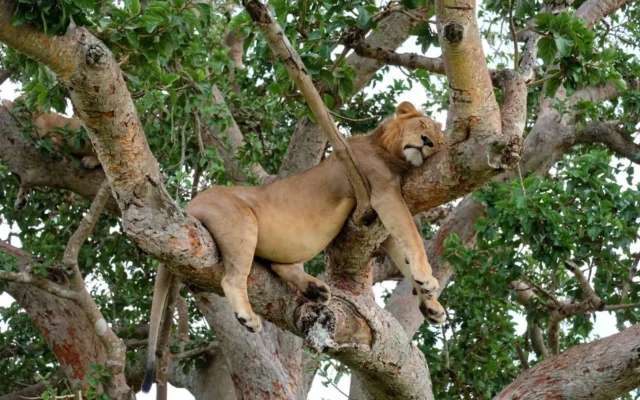
Queen Elizabeth: Tree-climbing lions in Ishasha, vast elephant herds, Uganda kob and the Kazinga Channel boat cruise — one of Africa’s great hippo floats.
Kidepo Valley: Remote northeastern wilderness with cheetah, ostrich, bat-eared fox and dramatic scenery — fewer visitors, longer travel.
Nile Boat Safaris
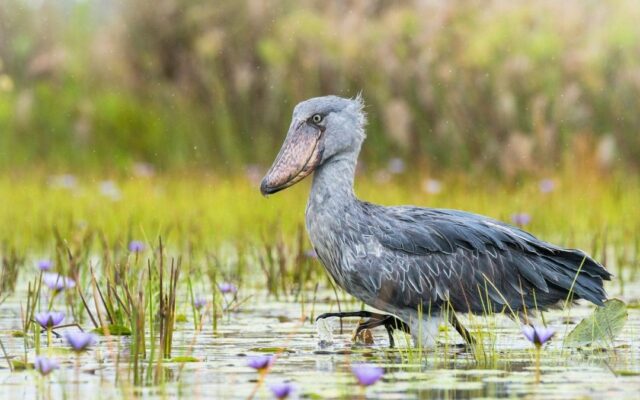
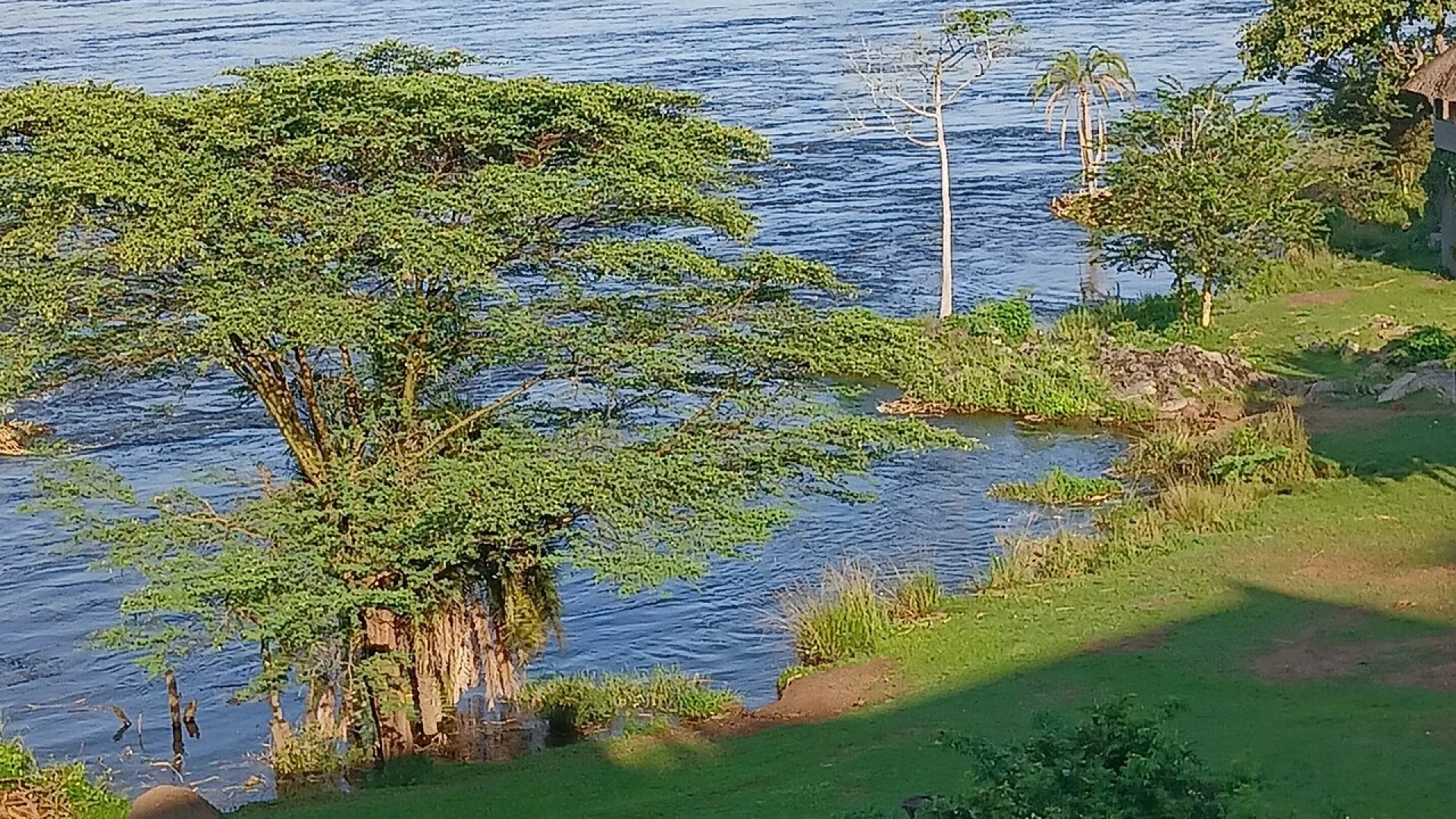
The launch cruise from Paraa to the base of Murchison Falls ranks among East Africa’s essential boat experiences. Hippos surface beside the hull; crocodiles bask on sandbanks; elephants drink at the shore. The downstream delta cruise targets shoebill stork in papyrus channels — a prehistoric bird found in few accessible places worldwide.
Rhino Tracking on Foot
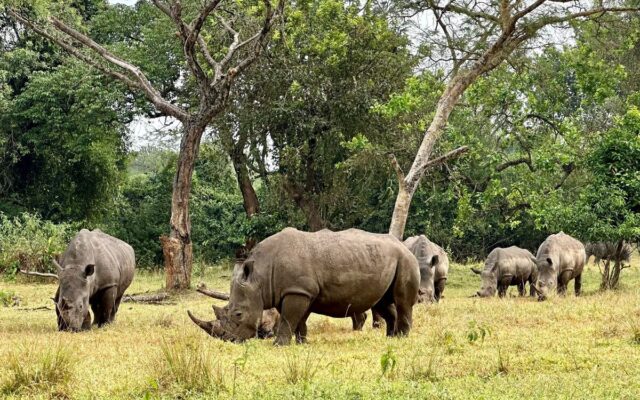
Wild rhino no longer roam Uganda’s parks, but Ziwa Rhino Sanctuary on the road to Murchison protects a breeding herd of southern white rhino. Ranger-led bush walks approach animals to roughly 6–10 metres. Permits run approximately US$50. Combined with Murchison’s four other Big Five species, this completes a genuine Big Five circuit.
Golden Monkey and Other Primates
Golden monkey tracking in Mgahinga (permit US$60) offers lively bamboo-forest encounters. L’Hoest’s monkey, colobus and vervet species appear across Kibale, Budongo and Bwindi’s fringes — often as rewarding as the headline primates.
Shoebill and Birding Highlights
Uganda records over 1,000 bird species. The shoebill — Murchison’s delta and Mabamba Swamp near Entebbe are reliable sites — tops most birders’ lists. Other signature species include African green broadbill, green-breasted pitta (seasonal) and the Albertine Rift endemics of Bwindi and Mgahinga.
How to Sequence a Wildlife Safari
A balanced 10–12 day circuit might run: Murchison (savannah + Nile + shoebill) → Kibale (chimps) → Queen Elizabeth (lions + Kazinga) → Bwindi (gorillas). Add Ziwa rhino en route north and Lake Mburo for zebra and eland on the return. Fly-in charters to Pakuba, Kasese or Kihihi airstrips compress travel time on shorter itineraries.
Lake Mburo and Semuliki Wildcards
Lake Mburo National Park suits shorter itineraries — zebra, impala, eland and guided walking safaris among the only permitted bush walks in Ugandan savannah. Semuliki National Park in the western Rift offers Congo Basin bird species and hot springs — specialist appeal for travellers extending beyond the classic circuit. Neither replaces Murchison or Queen Elizabeth for first visits, but both add texture on twelve-to-fourteen-day routes.
Hot-air balloon safaris over Murchison (seasonal, roughly US$380) provide aerial perspectives of elephant herds and the Nile corridor — a wildlife experience that is photographic rather than species-focused.
Frequently Asked Questions
- Can I see the Big Five in Uganda?
-
Yes, with Ziwa Rhino Sanctuary included. Murchison and Queen Elizabeth hold lion, leopard, elephant and buffalo. Rhino tracking at Ziwa completes the set.
- How many wildlife experiences fit in two weeks?
-
Comfortably: gorillas, chimps, two savannah parks, Nile boat cruises, rhino tracking and optional golden monkeys — with sensible pacing and 2–3 nights per major stop.
- Is Uganda good for first-time safari travellers?
-
Excellent. Parks are well managed, guides are professional, and the variety exceeds single-habitat destinations. Primate treks require moderate fitness but not technical climbing.
- What is the single unmissable experience?
-
Subjective, but gorilla trekking and the Murchison Falls boat cruise appear on nearly every return traveller’s highlight list.
Nile perch sport fishing below Murchison Falls attracts a dedicated angling segment — separate from standard game viewing but increasingly packaged by lodges with boats and guides. Hot-air balloon over the savannah (seasonal) adds aerial photography opportunities when operations run.
- When is wildlife most active at Murchison?
-
Dawn and dusk on savannah; mid-morning to afternoon on the Nile for hippo and crocodile. Shoebill activity peaks at first light in the delta — schedule accordingly.
Planning Your Wildlife Circuit
Sequence matters as much as site selection. Northern anchors (Murchison, Ziwa) pair naturally with southwestern primates when travelling clockwise — Entebbe, north, then Kibale, Queen Elizabeth, Bwindi. Counter-clockwise works equally if gorilla permit dates dictate a southern start. Allow two nights minimum per major park; one-night transits waste dawn game drives. Charter one strategic leg — usually Entebbe to Pakuba or Kasese to Kihihi — if road time threatens pacing without adding experiences.
Plan Your Safari
The best wildlife safaris match experiences to your interests and fitness — not every park on a map. Explore our Uganda safaris or tell us which encounters matter most and we will build the route around them.