



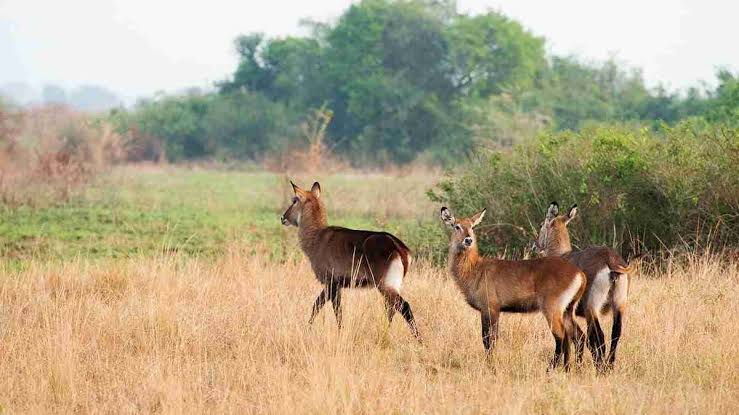
Birding in Murchison Falls in April
April is the month most safari brochures quietly skip, and that is exactly why keen birders should pay attention to it. This is the peak of Uganda’s long rains, when Murchison Falls trades its dusty dry-season palette for deep, saturated green, the Victoria Nile runs high and thunderous, and the resident birds shift into full breeding mode. If you can tolerate a daily shower, the rewards are considerable.
This guide looks at what April specifically offers the birdwatcher at Murchison Falls — the breeding activity, the last of the departing Palearctic migrants, the weather you should plan around, and the honest trade-offs between soggy tracks and near-empty lodges. It is written for travellers deciding whether a wet-season trip is worth it, and how to make the most of one.
What makes April different
Murchison Falls has more than 450 recorded bird species, and April sees a distinct slice of that list at its most active. The park sits in the March-to-May wet season, and April is usually the wettest month of all. The abundant food and moisture push resident species into their breeding season, which means courtship displays, territorial song and the vivid breeding plumage that makes identification so much easier.
The landscape itself changes the birding. Where the dry months leave open, scorched savanna, April clothes the grasslands and riverine woodland in fresh growth. Insects erupt with the rains, and insectivorous birds gather to feed — a genuine advantage when so much activity concentrates around a single flowering tree or damp margin.
Breeding plumage and active nesting
April is a nesting month. Weavers throw up their woven globes in the acacias around Paraa, widowbirds and bishops carry long breeding tails and blazing colour, and males across the park sing hard to hold territory. For photographers and listers alike, birds in breeding dress are both easier to find and far easier to name.
The park’s signature riverbank species, the red-throated bee-eater, is a particular draw. These colonial nesters excavate tunnels into the sandy Nile cliffs — the celebrated colony at the Nyamusika Cliffs can hold scores of burrows — and they time their digging to the damp ground the rains provide. April usually finds them busy at the colony walls, a shimmer of carmine and green against the clay, most easily seen from the upstream launch cruise towards the base of the falls.
The last of the Palearctic migrants
If you want the migrants, come early in the month. Palearctic birds that spend the northern winter in Uganda begin their spring departure at the end of March, and the majority have left by the close of April. That makes the first couple of weeks a valuable overlap window, when departing migrants still share the park with residents in breeding condition.
Watch the northern-bank savanna and the Nile delta for the tail end of the movement. Steppe eagles perched on termite mounds, the odd European bee-eater passing overhead, and waders such as common sandpiper, wood sandpiper, common greenshank and ringed plover working the shrinking mudbanks are all realistic early in April. By the last week, expect the migrant tally to thin noticeably as the birds head north.
Where to bird in the wet season
The Nile corridor is the reliable core. A launch cruise from Paraa towards the falls delivers bee-eaters, African fish eagles, giant and pied kingfishers and, on the spray-washed boulders near the falls, the localised rock pratincole. The delta downstream is the place for waterbirds and waders, and the shoebill remains a resident possibility year-round — see our guide to the best places to see shoebills in Uganda for the detail.
Away from the water, the Buligi grasslands on the northern bank hold savanna specials and raptors, while the forest interior of Kaniyo Pabidi and the wider Budongo block shelter the shy chocolate-backed kingfisher, Puvel’s illadopsis and a rich understorey chorus that peaks with the rains. Forest trails are wetter underfoot in April, so sturdy footwear earns its keep.
April weather and photography light
Expect a warm, humid month: daytime highs around 31°C, nights near 22°C, and roughly 200mm of rain spread across some 17 days. The pattern is usually heavy downpours interspersed with bright breaks rather than all-day rain, so mornings often stay birdable before the clouds build in the afternoon.
The light rewards patience. Overcast skies soften harsh contrast and bring out plumage colour beautifully, and the minutes after a shower — when the air is washed clean and birds emerge to preen and feed — can produce the trip’s best frames against emerald backdrops and dramatic skies. Bring rain covers for your gear, plan long lenses around the clear windows, and treat the afternoon storms as a rest rather than a write-off.
The honest trade-offs
April is not without cost. Rain turns the murram tracks slippery and muddy, some of the remoter game-drive loops can become hard going, and a few lodges close or run reduced services in the low season. General game viewing is also a little harder, as plentiful surface water lets herbivores disperse widely rather than cluster at the river.
In exchange you get the quietest tracks of the year, the falls at their most powerful, birds in breeding finery and, often, meaningfully discounted lodge rates. A capable 4×4 and a flexible itinerary that builds in weather buffers turn most of the downsides into minor inconveniences.
Frequently Asked Questions
- Is April a good time for birding at Murchison Falls?
-
Yes. April sits in the breeding season, so residents show breeding plumage and sing actively, and early in the month some Palearctic migrants are still present. The main downsides are muddy tracks and afternoon rain.
- Will I still see migratory birds in April?
-
Early April is best. Spring departure begins at the end of March and most migrants have gone by month’s end, so the first two weeks give the best overlap of departing migrants and breeding residents.
- How much does it rain at Murchison Falls in April?
-
April is one of the wettest months, with around 200mm across roughly 17 rainy days. Rain tends to fall as heavy showers with sunny breaks rather than continuous rain, so mornings are often clear enough to bird.
- Are the red-throated bee-eaters active in April?
-
Usually, yes. They are resident at the Nile cliffs year-round and excavate their nesting burrows while the ground is still damp from the rains, so April often finds them busy at colonies such as the Nyamusika Cliffs.
- Is April cheaper than the dry season?
-
Generally, yes. April falls in the low season, so lodge rates are often discounted and the park is far quieter than in the peak dry months. For a fuller month-by-month view, see our best time to visit guide.
Plan Your Safari
April rewards the birder who packs a poncho and keeps an open mind: breeding plumage, singing residents, busy bee-eater colonies and the last of the migrants, all against a lush green Nile and thundering falls, with the tracks largely to yourself. Talk to us about a wet-season trip built around early launch and delta cruises, unhurried drives in the Buligi grasslands and a forest morning at Kaniyo Pabidi — and browse our wider Uganda birdwatching guide to shape the perfect April itinerary.