



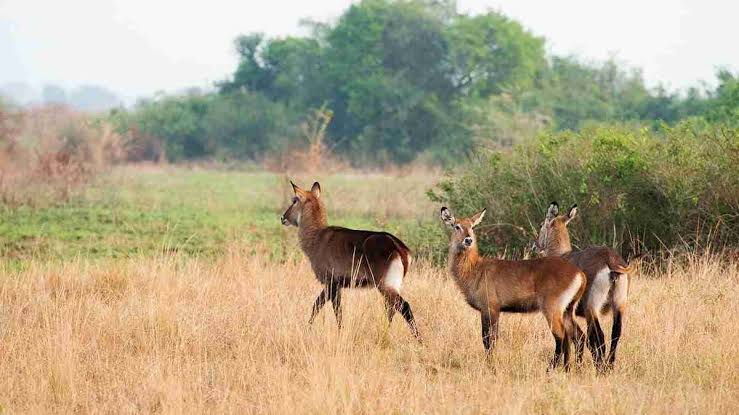
Best Time to Visit Uganda
Uganda sits squarely on the equator, so it never really has a summer or a winter — only drier and wetter spells that shift week to week and, crucially, region to region. Get the timing right and you trek to gorillas on firm trails, watch elephants gather on the Nile plains, and drift past a shoebill in still morning light. Get it wrong and you can still have a wonderful trip, just a muddier, greener, cheaper one.
Because the country packs montane rainforest, savannah, semi-arid plains and vast lakes into one compact space, there is no single “best” month — only the best month for what you most want to do. This guide walks through Uganda’s seasons by region and by activity so you can match your dates to your priorities.
Uganda’s Seasons at a Glance
Uganda runs on two dry seasons and two wet seasons rather than one long dry spell. The long dry season falls from June to September and the short dry season from December to February. Between them come the long rains of March to May, heaviest in April, and the shorter rains of October and November, which peak around October.
Temperatures stay remarkably steady, generally 24–33°C by day and cooling to the mid-teens at night, with the highland forests noticeably cooler and the far north hotter. These are patterns rather than promises: rain can arrive early or linger, and the calendar has grown less predictable over the past decade. As a rule, though, the dry months bring firmer roads, thinner vegetation and wildlife drawn to shrinking water — the classic safari conditions.
Weather by Region
The south-west — home to Bwindi, Mgahinga, Queen Elizabeth and most gorilla trekking — has two distinct wet seasons, roughly March to May and mid-September to November. This is rainforest country, so a short shower is possible on any day of the year, even in the drier windows of June, July, January and February.
The north follows a different rhythm entirely. Murchison Falls, Ziwa Rhino Sanctuary and Kidepo Valley experience one long wet season from March to November and a single dry season from December to February. Kidepo, tucked into the semi-arid north-east, is the driest of the lot and can see near-drought conditions, while Murchison sits in a relatively rain-shielded belt where a downpour rarely wrecks a game drive. This split is why a well-planned itinerary reads the country in two halves rather than one.
Best Time for Savannah Safaris
For classic game viewing — game drives and Nile boat cruises in Murchison Falls, Queen Elizabeth and Kidepo — the dry seasons of June to September and December to February are the standouts. Grass is cropped short, animals concentrate along permanent water, and firm tracks open up ambitious routes like Murchison’s Buligi circuit between the Victoria and Albert Niles.
June and July offer the most comfortable balance of sunshine, cooler air and reliable roads, which is why they suit first-time visitors. January and February deliver equally strong sightings but turn hot and dusty on the northern plains. Either way, plan game drives for the early morning around 6:30am and again in the late afternoon, and time the Paraa boat cruise (daily at 9am and 2pm) for calm conditions when hippos and crocodiles crowd the banks. For the full picture, see our Murchison Falls travel guide.
Best Time for Gorilla Trekking
Mountain gorillas live year-round in Bwindi Impenetrable and Mgahinga, so trekking never closes. The dry seasons — June to September and December to February — bring firmer, less slippery trails and are the most comfortable time to tackle the steep, tangled terrain. July and August are the busiest months of all, coinciding with the European summer holidays.
Because everyone reaches the same conclusion, peak permits sell out fast. For July, August and the Christmas–New Year window, book six to twelve months ahead; June, December and January want six to nine months; February and September are usually comfortable at three to six months. The Uganda Wildlife Authority permit costs US$800 per person, and treks run anywhere from two to eight hours depending on where the family is feeding. During the wet months the gorillas often stay lower and closer to the trailheads, and April, May and November carry a discounted US$600 permit — real value for those who don’t mind mud. Our gorilla tracking guide covers the sectors and logistics in detail.
Best Time for Birding
Uganda is one of Africa’s great birding destinations, and Murchison Falls alone holds over 450 recorded species. For sheer diversity, time a trip for November to April, when Palearctic migrants from Europe and Asia swell the resident numbers and the first big wave arrives from October. The wet seasons also trigger breeding, so many species wear vivid plumage and perform courtship displays from March to May and again in November.
The dry months still shine for accessibility and for the country’s most wanted bird. Shoebill success rates are highest from January to March and June to August, when water levels drop and the birds are easier to pin down. Whether on Murchison’s Nile Delta or at Mabamba Swamp near Entebbe, book the earliest boat you can — shoebills are far harder to find after 9am. See our guide to the best places to see shoebills.
Chimpanzees, Crowds and Costs
Chimpanzee trekking in Kibale, Budongo and Kyambura is possible year-round but easiest from around October to January and in the drier June–September window, when trails firm up and fruiting draws the troops together. Rain leaves the forest floor slippery, so sturdy boots matter in the wetter months. Read more in our chimpanzee trekking guide.
Crowds and prices follow the sunshine. June to September and the December holidays are high season, with the busiest parks and firmest lodge rates. The green seasons of March to May and October to November are quieter, and many lodges trim rates by up to 40 per cent — a genuine saving for flexible travellers willing to pack a good rain jacket.
Frequently Asked Questions
- What is the overall best month to visit Uganda?
-
June and July are the safest all-round bet: dry gorilla trails, strong savannah game viewing, comfortable temperatures and low rain risk. February is the other standout for gorilla treks and drives, though the north grows very hot and dusty.
- Can I still enjoy Uganda in the rainy season?
-
Absolutely. Gorilla sightings stay excellent year-round, Murchison sits in a dry belt where rain rarely interrupts a safari, birding actually peaks, and both the US$600 low-season gorilla permit and discounted lodges make the green months superb value.
- When is the best time for birdwatching?
-
Time a dedicated birding trip for November to April for the widest species count as migrants arrive. For the shoebill specifically, the drier months of January to March and June to August give the best odds.
Plan Your Safari
The perfect month depends on what sits at the top of your list — big game on the Nile plains, gorillas in the mist, or a river alive with birds. Explore our step-by-step Uganda safari planner and our detailed best time to visit Uganda for safari guide, and get in touch — we’ll help you lock in the dates that suit your trip best.