


Is Murchison Falls National Park Safe for Tourists?
Before you book flights or compare lodges, the question is straightforward: is Murchison Falls National Park safe for tourists? Uganda’s largest protected area — roughly 3,893 square kilometres of savannah, riverine forest and Nile gorge in north-western Uganda — receives tens of thousands of international visitors each year. The honest answer is yes, for well-prepared travellers who follow Uganda Wildlife Authority rules and travel with a licensed operator or a properly planned self-drive itinerary.
This guide covers UWA security management, wildlife protocols on drives and boat cruises, malaria and vaccination requirements, and road conditions through Masindi, Buliisa and the northern gates — the practical risks you will actually encounter inside the park.
How UWA Manages Visitor Security
Murchison Falls National Park is administered by the Uganda Wildlife Authority (UWA), the statutory body managing Uganda’s ten national parks. Every vehicle gate — Kichumbanyobo on the Masindi approach, Bugungu from the Lake Albert escarpment, and Wankwar, Tangi and Chobe on the northern Karuma side — is staffed by rangers who verify permits, brief visitors and patrol the road network daily.
Park operations run strictly between 07:00 and 19:00. No night driving is permitted, and walking outside lodge zones requires an armed UWA ranger escort — including the Top of the Falls hike, delta walks and Rabongo forest trails. UWA coordinates joint patrols with the Uganda Peoples’ Defence Forces and Uganda Police during peak months. Speed is capped at 40 km/h (fine: UGX 100,000); wildlife roadkill carries a US$500 per animal penalty.
Wildlife Safety on Game Drives and Boat Cruises
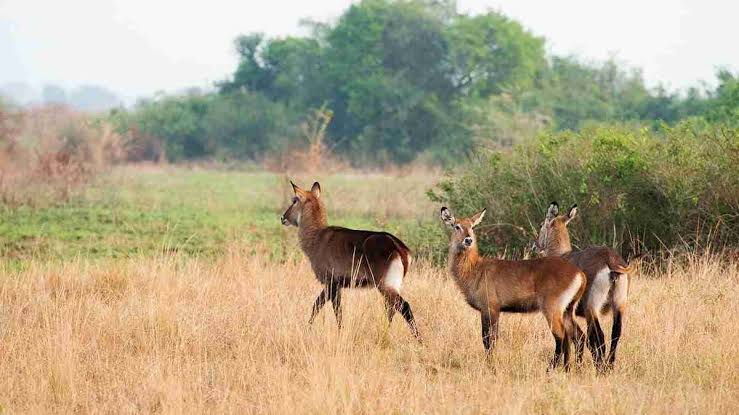
Wildlife viewing at Murchison is structured around your vehicle or boat as a safe platform. On northern game drives along the Buligi Peninsula — where lion, elephant, buffalo and large herds of Rothschild’s giraffe concentrate — you remain inside the safari vehicle unless a ranger directs you to a designated stop. Self-drive visitors are permitted but strongly advised to hire a UWA ranger guide at around US$25 per day on the northern bank.
The Nile launch cruise from Paraa Jetty is among the park’s safest and most popular activities. UWA operates scheduled departures at around 09:00 and 14:00, costing US$30 per foreign non-resident on the upstream run to the base of the falls. Every passenger receives a life jacket and a pre-departure safety briefing before the two- to three-hour round trip past hippo pods, crocodiles and riverside elephant. Stay seated while the boat is moving, keep hands inside the rails, and never touch the water.
Chimpanzee trekking at Kaniyo Pabidi in adjoining Budongo Forest follows strict primate protocols: maintain at least 10 metres from the animals, no flash photography, no trekking if you are unwell, and a minimum age of 12 years. See our guides on how close you can get to the animals and Budongo chimp trekking for full detail.
Health Precautions: Malaria, Vaccinations and Clinics
The park sits in the low-altitude Nile valley — hot, humid and malaria-endemic year-round. The US Centers for Disease Control and Prevention recommends that all travellers to Uganda take prescription antimalarial medication, regardless of season or trip length. Consult a travel clinic four to six weeks before departure to discuss options such as atovaquone-proguanil, doxycycline or mefloquine.
Use DEET-based repellent, cover up from dusk onward, and sleep under lodge nets. Uganda requires a valid yellow fever vaccination certificate for travellers aged one and over. There is no hospital inside the park — serious cases are evacuated to Kampala, so travel insurance with medical evacuation cover is prudent.
Road Access, Gates and Driving Conditions
From Kampala, the main southern approach via Masindi covers roughly 305–315 kilometres and takes four to six hours — many travellers break the journey at Ziwa Rhino Sanctuary. The Masindi–Kichumbanyobo corridor was fully sealed under Uganda’s oil-road upgrade programme, with bitumen completed through Budongo Forest by August 2024, removing the seasonal impassability that once made wet-season rains a gamble for saloon cars.
Inside the park, tracks beyond Paraa remain unsurfaced murram — a high-clearance 4×4 is strongly recommended in wet months (March–May and October–November). The Paraa Bridge has improved year-round access between north and south. Refuel in Masindi, Hoima or Gulu before entering; there is no petrol inside the park. See our driving to Murchison Falls guide for routes and gate choice.
Choosing Operators, Lodges and Self-Drive Safety
Licensed operators employ guides trained in wildlife safety and park regulations. Self-drivers should download offline maps, carry water and a charged phone, and never drive after dark. Book the Nile launch and chimp permits early; keep UWA fee receipts — entry is US$45 per foreign non-resident adult per 24 hours under the tariff valid to June 2026. Read our guided vs self-drive safari comparison and Murchison travel tips.
Frequently Asked Questions
- Is Murchison Falls National Park safe for solo travellers?
-
Yes. Solo travellers routinely visit on organised safaris or self-drive itineraries. UWA gate staff and lodge teams are accustomed to independent visitors. Hiring a ranger for a northern-bank game day is advisable if you are driving alone and unfamiliar with the tracks.
- Do you need armed escorts at Murchison Falls?
-
Armed ranger escorts are mandatory for on-foot activities outside lodge grounds — including the Top of the Falls hike, delta walks and forest trails. Standard game drives and boat cruises do not require a separate armed guard beyond the ranger or guide assigned to your activity.
- Is the Nile boat cruise safe?
-
UWA and licensed private operators run the launch under strict safety procedures: life jackets, briefings and experienced boat crews who know hippo and current behaviour on the Victoria Nile. Remain seated, follow crew instructions, and avoid leaning over the side.
- What health risks should I prepare for?
-
Malaria is the primary health consideration — take prophylaxis, use repellent and sleep under nets. Yellow fever vaccination is an entry requirement. Tell a doctor about your travel history if you develop fever within a year of returning home, as malaria can present late.
Plan Your Safari
Murchison Falls ranks among the most rewarding safari destinations in East Africa when you travel informed — UWA rangers, clear park rules, and professional guides handle security on the ground. Browse our Murchison Falls safaris, read the first-time visitors guide, and tell us your dates — we will build an itinerary that keeps safety and wildlife at the centre of every day.