



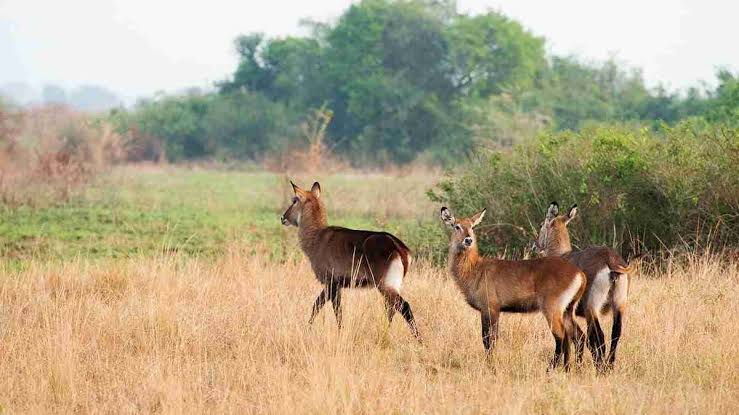
Murchison Falls vs South Luangwa National Park
Murchison Falls National Park and South Luangwa National Park both rank among Africa’s finest savannah reserves — river valleys, dense predator populations and game drives that reward an early alarm. Yet one sits on the Victoria Nile in northern Uganda, the other in the Luangwa Valley at the tail of the East African Rift in eastern Zambia. Choosing between them is less about declaring a winner and more about whether you want Nile waterfall drama on a Uganda circuit, or the birthplace of the walking safari in one of the continent’s great leopard valleys.
This guide compares scale, wildlife, signature activities, access, fees and seasons so you can match the park to your time and travel style. We operate in Murchison every week, so our perspective is grounded in Uganda — but the South Luangwa facts below draw on Zambia’s Department of National Parks and Wildlife, Norman Carr’s conservation legacy and published Luangwa ecosystem data.
Scale, Landscape and First Impressions
South Luangwa National Park covers roughly 9,050 square kilometres along the meandering Luangwa River, bounded to the west by the Muchinga Escarpment. The park’s shape follows natural geography rather than arbitrary lines — river on one side, escarpment on the other — and the mosaic of mopane woodland, ebony groves, floodplain and ox-bow lagoons supports one of southern Africa’s richest wildlife concentrations.
Murchison Falls National Park is smaller at 3,840 square kilometres, but defined by a single dramatic axis: the Victoria Nile running west for about 80 kilometres before the entire river is forced through a gorge barely six metres wide and drops 45 metres into the Devil’s Cauldron. North of the Nile, the Buligi Peninsula opens into Borassus-palm savannah; south of it, woodland thickens toward Budongo Forest and the Albertine Rift escarpment. Where South Luangwa impresses with lagoon country and escarpment views, Murchison delivers waterfall thunder, papyrus delta and open plains within a park you can know intimately in three or four days.
Wildlife: Shared Ground and Key Differences
Both parks hold lion, leopard, elephant, buffalo and hippo in serious numbers. Both support large antelope herds and excellent birding. The species you cannot swap between parks usually decide the choice.
Murchison is a global stronghold for the Nubian giraffe. Giraffe Conservation Foundation surveys recorded roughly 1,770 unique individuals across recent dry-season rounds — a major share of all wild Nubian giraffe on the continent. UWA records more than 144 mammal species and 556 bird species; buffalo exceed 10,000, Uganda kob run into the tens of thousands and aerial counts put elephants at over 900. Nile crocodiles and hippo crowd the Victoria Nile in extraordinary density, and shoebill stork haunt the Albert Delta papyrus — a bird South Luangwa simply does not produce.
South Luangwa holds four of the Big Five inside the park. Black rhino were poached to local extinction across the Luangwa Valley by the mid-1990s; Zambia’s only re-established wild population now lives in fenced, heavily protected North Luangwa National Park, not the southern sector most visitors explore. What South Luangwa offers instead are endemic subspecies: Thornicroft’s giraffe, Crawshay’s zebra and Cookson’s wildebeest occur nowhere else. The Luangwa ecosystem supports an estimated 350 African wild dogs — one of the healthiest populations on the continent — alongside 60 mammal species and more than 400 recorded bird species.
Predators: Leopards, Lions and Wild Dogs
Both parks produce strong big-cat viewing, but the experience differs sharply. South Luangwa is widely known as the Valley of the Leopard. Extensive riverine forest, ebony groves and lagoon edges provide ideal hunting and denning cover, and leopard sightings — including multiple cats in a single drive — are commonplace by African standards. Night drives, standard at most lodges, put leopards in the spotlight after dark.
At Murchison, lions and leopards concentrate along the Victoria Nile and on the Buligi Peninsula, where Uganda kob and buffalo gather at water. Sightings are frequent and predictable in the dry season, particularly with a UWA ranger who knows the northern circuits. Leopards also haunt the Rabongo Forest fringe on the southern bank. Murchison does not match South Luangwa for leopard density, but lion encounters on open Buligi plains remain a highlight — and you will not share a sighting with a dozen other vehicles.
Wild dogs are the decisive predator difference. South Luangwa is among the best places in Africa to encounter them, with stable packs across the valley floor. Murchison holds spotted hyena and occasional wild dog reports, but painted wolves are not a realistic target here. If leopards at close range and wild dog packs are non-negotiable, South Luangwa has the edge.
Signature Activities: Nile Cruise vs Walking Safari
Murchison’s headline activity is the UWA launch cruise to the base of the falls — US$30 per person under the current tariff — running upstream from Paraa Jetty for roughly 17 kilometres past hippo pods, Nile crocodiles and elephants on the banks. Boats typically depart at 09:00 and 14:00. Many visitors disembark below the falls and hike 45 to 60 minutes to the clifftop viewpoint (Top of the Falls fee US$15). A downstream delta cruise toward Lake Albert offers one of Uganda’s best shoebill habitats. Optional chimpanzee tracking in Budongo Forest and a rhino walk at Ziwa Rhino Sanctuary on the Masindi road add dimensions no Luangwa itinerary replicates.
South Luangwa’s defining experience is the walking safari, pioneered here by conservationist Norman Carr in the 1950s when he shifted safaris from rifles to cameras and put guests on foot with an armed scout and expert guide. Walking remains the park’s signature — learning termite ecology at eye level, approaching elephants on their terms, reading tracks in the sand. Traditional game drives and lodge-organised night drives complement the foot safaris. During the green season from November to March, boat safaris on the swollen Luangwa River replace some road access; the southern Mfuwe sector keeps all-weather tracks open year-round.
Access, Logistics and Who Each Park Suits
Murchison is the easier reach for travellers centred on Uganda. Paraa, the main hub, sits about 305 kilometres from Kampala — typically five to six hours via Masindi and Kichumbanyobo Gate. Aerolink Uganda flies to Pakuba airstrip in about 60 to 90 minutes. North-bank lodges require the Paraa ferry (07:00–19:00 daily) unless you enter via northern gates at Tangi, Wankwar or Chobe. A focused 3-day Murchison Falls safari is realistic for travellers with limited leave.
South Luangwa demands a Zambia-centred trip. Most visitors fly from Lusaka to Mfuwe Airport with Proflight Zambia — about 70 minutes — followed by a lodge transfer of 1.5 to 2.5 hours on murram roads. The road alternative from Lusaka covers roughly 700 kilometres and nine to ten hours in a 4×4. Plan at least three full nights in the valley to justify the journey; four or five nights let you mix walking safaris, night drives and different sectors such as the Nsefu area in the north.
For first-time visitors building a Uganda primate-and-savannah loop — gorillas, chimps, Queen Elizabeth — Murchison is the practical savannah anchor. South Luangwa suits experienced safari-goers who prioritise leopards, wild dogs and time on foot, and who can dedicate a standalone Zambia holiday.
Costs, Seasons and Uganda vs Zambia Context
Under the UWA tariff valid through June 2026, Murchison sits in Category A+ at US$45 per foreign non-resident adult per 24 hours (children US$25), with launch cruises, ranger guides and chimp permits charged separately. Zambia’s published 2025 fees list South Luangwa at US$25 per international adult per day on guided packages (US$30 for self-drivers), plus vehicle and activity charges through your lodge. South Luangwa entry is cheaper on paper; lodge rates, walking-safari fees and the Lusaka–Mfuwe flight often make the overall trip comparable.
Seasons align in broad strokes. Murchison’s best windows are December to February and June to September, when wildlife concentrates at the Nile and murram tracks firm up. South Luangwa’s dry season from May to October thins vegetation, concentrates game at the river and suits walking safaris. The Luangwa green season from November to March brings lush scenery, migrant birds and lower lodge rates, though some remote camps close and access shifts toward boat safaris. See our best time to visit Murchison Falls and park fees guide for month-by-month Uganda detail.
Combining both parks in one holiday is possible but inefficient. Entebbe to Lusaka is a separate international flight — roughly two hours — and each park deserves at least three full days inside the gates. Most travellers choose one per trip, or visit them on separate holidays rather than one marathon transit.
When to Choose Which Park
Choose South Luangwa if walking safaris, leopard density, wild dog encounters and endemic Thornicroft’s giraffe matter more than a waterfall — and if you can dedicate a standalone Zambia itinerary with a flight to Mfuwe. It is the right call for repeat safari-goers who have done the classic vehicle circuit elsewhere.
Choose Murchison if the Nile launch cruise, Top of the Falls hike, Nubian giraffe herds, shoebill search and links to gorilla or chimp trekking in the same country are your priorities. Murchison rewards travellers who accept ferry timetables and guided logistics in exchange for lighter crowds and Albertine Rift habitat variety. For another international comparison, see our Murchison Falls vs Kruger guide.
Frequently Asked Questions
- Which park is better for leopards?
-
South Luangwa is widely regarded as one of the best leopard destinations in Africa, with high densities supported by lagoon and riverine cover and regular night-drive sightings. Murchison produces good leopard encounters — particularly along the Nile and in Rabongo Forest — but not at South Luangwa’s frequency.
- Can you see all of the Big Five at Murchison Falls?
-
Four species — lion, leopard, elephant and buffalo — live inside the park. Wild rhino require a stop at Ziwa Rhino Sanctuary on the Kampala–Masindi road. South Luangwa holds four of the five inside the park; black rhino in Zambia survive only in protected North Luangwa, not on standard South Luangwa itineraries.
- Which park is better for a first safari?
-
If your trip is centred on Uganda — gorillas, chimps, Entebbe arrival — Murchison is the natural savannah choice with easier access and the iconic falls cruise. South Luangwa suits travellers committed to Zambia who want walking safaris and exceptional predator viewing from the start.
- How do park fees compare?
-
Murchison charges US$45 per foreign non-resident adult per 24 hours under the current UWA tariff, plus separate activity fees for game drives (US$25 per guide) and the launch cruise (US$30). South Luangwa charges US$25 per international adult per day on guided safaris (US$30 for self-drivers), with walking safaris and night drives typically priced through your lodge.
- Can you visit both parks on one trip?
-
Technically yes, but practically they belong to different countries and circuits. Flying Entebbe–Lusaka takes about two hours, and each park deserves at least three full days. Most travellers choose one per holiday rather than losing days to international transfers.
Plan Your Safari
If Uganda is on your map, Murchison Falls delivers giraffe on the Buligi plains, hippos on the Nile and the falls at full volume within reach of Kampala — and slots cleanly into a week that adds chimps, gorillas or Queen Elizabeth’s tree-climbing lions. Browse our Murchison Falls safaris, read the planning guide and cost breakdown, or tell us your dates and we will map gates, ferry timings and lodge side so your days follow the wildlife rather than fight the schedule.