Uganda and Botswana sit at opposite ends of the East African safari spectrum. Botswana built its reputation on low-volume, high-cost wilderness — Okavango channels, Kalahari silence, Chobe elephant herds. Uganda trades exclusivity pricing for primate access, Nile drama and savannah variety at a fraction of the cost. Neither replaces the other; they answer different trip briefs.
This comparison is honest about what each country does best, so you can choose — or combine — with realistic expectations.
Wildlife Highlights
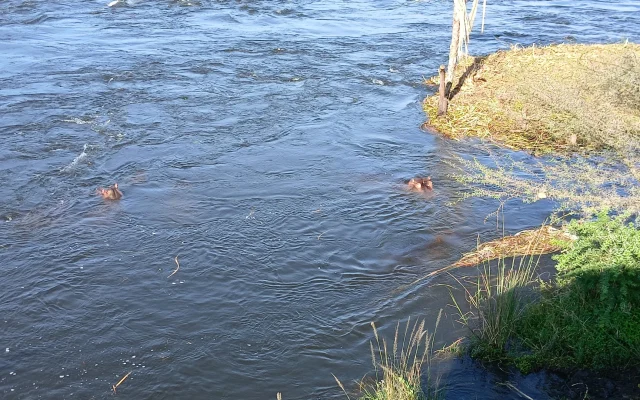
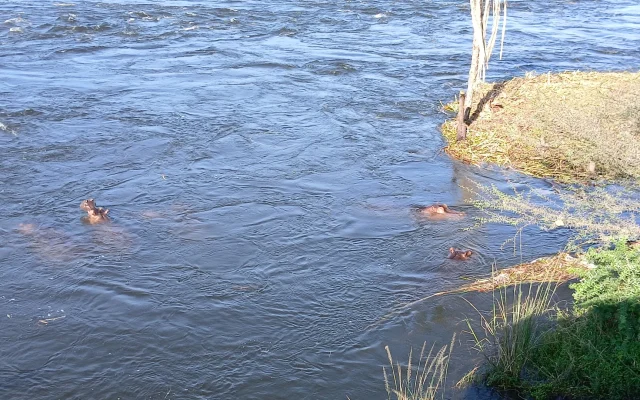
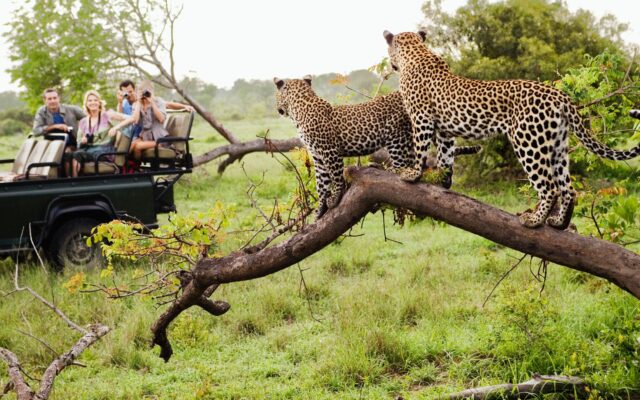
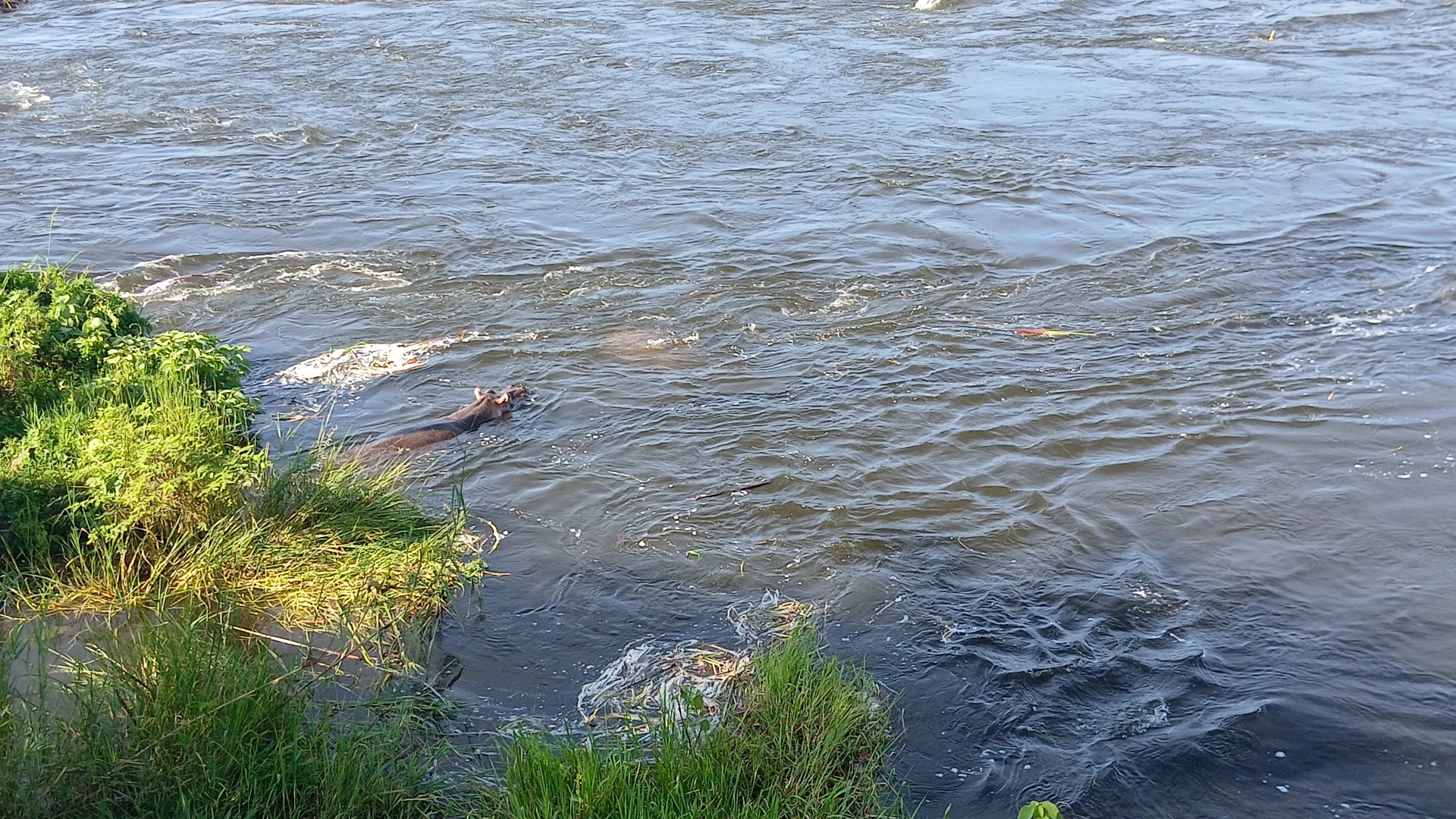
Uganda: Mountain gorillas and chimpanzees are the headline — no Botswana park offers either. Savannah wildlife at Murchison Falls (lion, leopard, Rothschild’s giraffe, Nile hippo and crocodile), Queen Elizabeth (tree-climbing lions) and remote Kidepo (cheetah, ostrich). Shoebill stork in Murchison’s delta. Big Five achievable with Ziwa Rhino Sanctuary en route north.
Botswana: Exceptional elephant concentrations in Chobe and Linyanti. Predator density in Moremi and private concessions. Okavango Delta mokoro (dugout canoe) safaris through papyrus channels. Wild dog, sable, roan and desert-adapted species in the Kalahari. No mountain gorillas or chimps.
Cost and Value
Botswana’s government deliberately limits volume through high concession fees and exclusive-use camps. Expect US$800–2,500+ per person per night at quality delta lodges, all-inclusive. A two-week Botswana safari commonly exceeds US$15,000 per person.
Uganda’s gorilla permit (US$800, or US$600 low season) is the largest single expense, but mid-range lodges run US$150–350 per night and park entry at Murchison is US$45 per day. A comparable two-week Uganda safari — including gorillas, chimps and three savannah parks — often totals US$5,000–9,000 per person fully guided.
Botswana wins on wilderness polish and exclusivity. Uganda wins on primate encounters per dollar spent.
Landscape and Experience
Botswana delivers vast, open wilderness with minimal infrastructure — fly between remote airstrips, game drives and mokoro floats, sundowners on floodplains. The experience feels remote and unhurried by design.
Uganda’s landscapes are more varied but journeys between parks involve longer road transfers unless you charter. The Nile at Murchison Falls — 300 cubic metres per second forced through a seven-metre gorge — is a spectacle Botswana cannot replicate. Forest trekking for gorillas is physically immersive in ways delta safaris are not.
Crowds and Access
Botswana’s low-volume model means fewer vehicles per sighting in prime concessions — though Chobe riverfront can feel busy. Uganda’s Murchison and Queen Elizabeth see more vehicles than Botswana’s private reserves but far fewer than the Masai Mara or Serengeti main circuits. Bwindi’s gorilla sectors disperse groups across four trekking areas.
Logistics: Botswana safaris typically start from Maun or Kasane with charter flights. Uganda starts from Entebbe with road or domestic charter to Pakuba, Kasese or Kihihi airstrips.
Best For
Choose Botswana if: Budget allows premium pricing; priority is elephant, predator and delta mokoro experiences; you have already seen gorillas elsewhere; remoteness matters more than primate trekking.
Choose Uganda if: Gorillas and chimps are non-negotiable; you want savannah plus forest in one country; value matters; Nile boat safaris and shoebill appeal; you prefer a broader habitat mix over single-biome immersion.
Combining Both
Africa veterans occasionally link both — gorillas in Uganda, then a charter connection via Nairobi or Johannesburg to Maun for delta time. Allow 3–4 weeks and significant budget. For most travellers, one country per trip delivers deeper satisfaction.
Seasonal Considerations
Botswana’s dry season (May–October) concentrates wildlife at permanent water — peak Okavango mokoro and Chobe boat seasons. Uganda’s driest months (December–February, June–September) similarly improve savannah viewing at Murchison and Queen Elizabeth. Uganda’s equatorial forest parks remain productive year-round; gorilla trekking is possible every month, with mud rather than access being the main seasonal variable.
Green season (Botswana November–April, Uganda April–May and October–November) offers lower rates, fewer visitors and dramatic skies. Botswana’s Kalahari transforms; Uganda’s forest photography gains atmospheric mist. Neither country becomes unvisitable in rain — but road conditions in Uganda and delta water levels in Botswana require operator guidance when planning.
Frequently Asked Questions
- Is Botswana safer for safari than Uganda?
-
Both are well-established safari destinations with professional guiding. Uganda requires more attention to road travel and health prep (yellow fever certificate mandatory). In-park experiences are comparably well managed.
- Which has better luxury lodges?
-
Botswana’s top camps (Wilderness, &Beyond, Sanctuary) set a global standard. Uganda’s luxury tier is growing — Baker’s Lodge on the Nile, Clouds Mountain Gorilla Lodge — but the inventory is smaller.
- Can I see the Big Five in both?
-
Yes. Uganda needs Ziwa for rhino. Botswana holds all five in Chobe, Moremi and private reserves — rhino are rarer and often in specific reintroduction areas.
- How many days in each?
-
Botswana: 7–10 days minimum for delta plus Chobe. Uganda: 10–14 days for gorillas, chimps and two savannah parks without rushing.
Mobile camping in Botswana’s private concessions delivers wilderness immersion Uganda’s lodge-based model handles differently — both work; the question is whether you prioritise Okavango water channels or Nile gorge drama and primate forests.
- Which country is better for a first African safari?
-
Tanzania or Kenya for pure savannah first-timers; Uganda if primates are the dream from day one. Botswana suits experienced safari travellers with higher budgets seeking remoteness.
Choosing Between Destinations
Neither Uganda nor Botswana replaces the other in a well-rounded Africa portfolio — they answer different briefs at different price points. Botswana rewards travellers whose primary goal is exclusive water and desert wilderness with elephant and predator focus. Uganda rewards those who want primate depth, Nile drama and savannah variety in one passport stamp. Many experienced safari travellers visit both over separate trips rather than forcing a false either-or choice in a single holiday.
Plan Your Safari
If Uganda’s combination of primates, Nile and savannah fits your brief, start with our Uganda safaris or Murchison Falls safaris — we will help you build an itinerary that matches what Botswana would have delivered on the experiences that matter to you.