



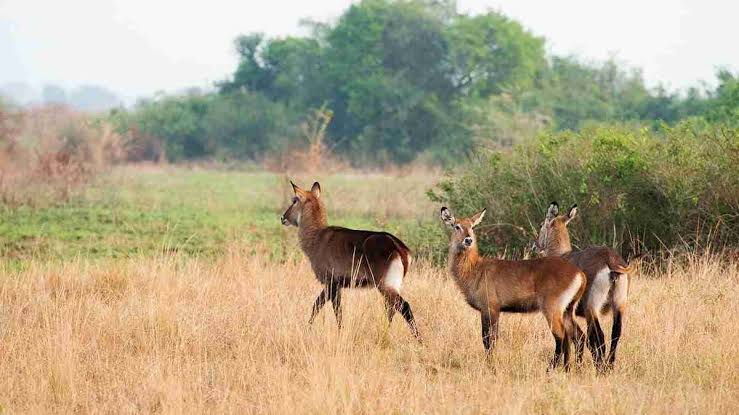
Uganda Weather by Month
Uganda sits on the equator, which sounds like endless heat but actually means two rainy seasons, two dry windows, and micro-climates that shift dramatically between Entebbe’s lake breeze, Bwindi’s montane cold, and Murchison Falls’ open savannah glare. Planning around weather is how you choose between dust on the Buligi track and brilliant green backdrops for photography.
This month-by-month guide focuses on what travellers feel on the ground — rainfall patterns, road conditions, wildlife behaviour, and lodge availability — with particular attention to Murchison Falls National Park, Uganda’s most visited savannah reserve.
How Uganda’s Seasons Work
Unlike simple wet/dry tropics elsewhere, Uganda experiences two dry seasons and two wet seasons. The primary rains run roughly March to May; a shorter wet period often arrives October to November. Dry windows are typically December to February and June to September, though climate change has made boundaries less predictable.
Temperatures vary more by altitude than month. Kampala and Entebbe (about 1,200 m) stay mild. Murchison Falls (600–1,200 m) is hot by day, pleasant at dawn. Bwindi Impenetrable Forest (1,500–2,600 m) can feel cold on gorilla treks year-round.
Rain rarely falls all day even in wet season — expect heavy afternoon thunderstorms with clear mornings. Savanna wildlife congregates near water in dry months, improving game-drive sightings on the northern bank of Murchison.
January and February
Among the best months for Murchison. Skies are generally clear, tracks firm, and animals gather at the Victoria Nile and wallows. Lodge rates peak over New Year then soften mid-month. Book Paraa-area accommodation early for February school holidays in East Africa.
Daytime temperatures on the savannah reach high twenties Celsius; pack sun protection. Water levels in the Nile are moderate — boat cruises to the falls run reliably, and the Top of the Falls hike is less slick underfoot than in April.
March, April and May
The long rains. Murram roads between Masindi and Kichumbanyobo Gate become challenging — 4×4 essential, some self-drivers prefer leaving vehicles in Masindi and joining guided transfers. Wildlife is dispersed but scenery is lush; birding excels as migrants and breeders are active.
Lodge occupancy drops and many properties offer shoulder-season rates. Afternoon downpours can interrupt boat schedules — operators usually reschedule rather than cancel. Falls volume increases; spray at the base of Murchison Falls is intense and waterproof camera covers matter.
June, July and August
Peak safari season. European summer holidays and dry weather align. Northern Murchison game drives deliver reliable lion, elephant, buffalo, and Nubian giraffe sightings as vegetation thins. Mornings can feel cool in June and July — bring a light layer for 06:00 departures.
Paraa ferry queues lengthen at peak times; lodges on the correct bank for your drives save an hour each morning. Fly-in safaris to Pakuba airstrip avoid road fatigue entirely. Our safari calendar maps festivals and school breaks that compete for beds.
September and October
September often remains dry and slightly quieter than August — excellent value before short rains. Wildlife viewing stays strong. By late October, clouds build and tracks soften. Delta cruises for shoebill remain productive as papyrus channels hold water year-round.
Heat builds on open vehicles — hydrate aggressively on full-day itineraries. Budongo Forest chimp treks are muddy if rains arrive early; gaiters help.
November and December
November is the secondary wet month — fewer visitors, greener landscapes, and intermittent afternoon storms. December dries rapidly; Christmas and New Year book out Paraa Safari Lodge and northern-bank camps months ahead.
Holiday travellers should confirm boat cruise and ranger-guide availability when reserving — UWA staffing is stretched at peak. Year-end is ideal for combining Murchison with Ziwa Rhino Sanctuary on the drive north from Kampala.
Weather and Activity Planning at Murchison
Game drives: Dry months concentrate game near the Nile and Buligi Peninsula waterholes. Wet months mean longer searches but fewer vehicles and dramatic skies.
Boat cruises: Run year-round unless extreme flooding — rare. Dry season shows the gorge geology clearly; wet season maximises waterfall volume.
Shoebill delta trips: Papyrus channels are navigable in all seasons; morning departures beat afternoon wind and rain.
Top of the Falls hike: Slick rock in rains — wear shoes with grip; dry season is easier for older travellers.
Regional Variations Beyond Murchison
Travellers combining Murchison with other parks should expect different micro-climates on the same trip. Queen Elizabeth National Park south of the Rift shares Murchison’s general dry-wet rhythm but receives slightly more lake-effect moisture from Lake Edward. Kibale Forest’s chimp treks run in humid conditions year-round — rainfall matters less than trail mud after overnight storms.
Bwindi Impenetrable Forest is the outlier: montane cold and frequent mist make gorilla trekking feel like a different season entirely. Pack a waterproof layer even if Murchison was blazing hot two days earlier. Entebbe and Kampala sit at similar altitude to Bwindi’s lower trailheads but lack the forest canopy — afternoon thunderstorms are common without the chill.
Flight delays to Pakuba airstrip increase in April and November when visibility drops; road transfers from Masindi remain the reliable backup. Checking monthly forecasts for each park on your itinerary prevents packing only for savannah heat.
Frequently Asked Questions
- Is there a bad month to visit Murchison?
-
No month is impossible — April and May are hardest for roads and heaviest rain, but also the quietest and cheapest.
- Does rain affect gorilla trekking if I combine parks?
-
Bwindi treks run in all weather; wet months mean muddier trails. Murchison and Bwindi seasons correlate loosely — see our best time to visit Murchison guide.
- How hot is Murchison in dry season?
-
Expect 28–32°C midday on open savannah; early mornings are comfortable. Lodge pools are welcome by afternoon.
- Should I pack differently by month?
-
Wet months need rain jackets and quick-dry clothing; dry months prioritise dust protection and sun cover. Our packing guide details both.
Plan Your Safari
Match your dates to the experience you want — dry-season wildlife density, wet-season solitude, or December’s festive energy on the Nile. Browse Murchison Falls safaris or ask our planners which month suits your photography, budget, and comfort priorities.