
“How much does a Uganda safari cost?” is usually the first question travellers ask us, and the honest answer is that it depends on three things: your permits, your lodges, and how you move between the parks. Once you understand how those pieces fit together, the numbers stop feeling like a mystery and start looking like choices you control.
This guide breaks down real 2026 costs — daily rates by travel style, the fixed fees set by the Uganda Wildlife Authority (UWA), transport and permits — and pulls them into a sample 7-day total so you can see where every dollar goes.
The Three Budget Tiers
Most Uganda safaris fall into one of three brackets, quoted per person per day and excluding international flights and the big activity permits. As a working guide: budget trips using guesthouses, community camps and shared 4x4s run roughly US$200–350 a day; mid-range safaris with quality lodges and a private Land Cruiser and guide sit around US$400–650 a day; and luxury trips with premium tented camps, fine dining and fly-in transfers climb to US$800–1,500+ a day.
The single biggest lever is accommodation. Budget lodges cost roughly US$80–150 per night, mid-range cottages and tented camps US$150–400, and luxury properties US$500 to well over US$1,000. Because the vehicle and guide are shared, per-person costs also drop noticeably when you travel as a couple or small group rather than solo.
Park Entrance and Activity Fees
Every savannah park charges a daily entry fee set by UWA. Murchison Falls, Uganda’s largest park, sits in the top category at US$45 per person per 24 hours for foreign non-residents, and the ticket is valid for exactly 24 hours — stay 25 and you pay for a second day. There is also a vehicle fee of around US$15 per foreign-registered 4×4.
Inside the park, the classic Nile launch cruise to the base of the falls costs about US$30 per person, a guided game drive around US$30, and the hike to the top of the falls US$15. Many itineraries also stop at Ziwa Rhino Sanctuary on the drive north, where tracking white rhinos on foot runs US$40–50 per person. These small fees add up, so budget for them separately rather than assuming they are included.
The Permits That Dominate Your Budget
If your safari includes primates — and most Uganda trips do — permits will be your largest fixed cost. A gorilla trekking permit in Bwindi or Mgahinga is US$800 per person for foreign non-residents. That fee covers park entry for the day, ranger guides and trackers, one hour with a gorilla family, and a conservation contribution.
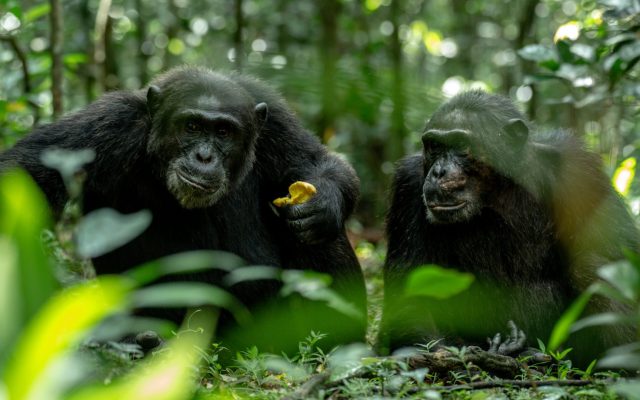
There is genuine money to be saved in the green season. For April, May and November, UWA now offers a discounted gorilla permit at US$600, and chimpanzee permits drop to US$200. A standard chimpanzee permit in Kibale Forest is otherwise US$250, while chimp tracking in Budongo Forest near Murchison is a more modest US$80–90. Foreign visitors must book all primate permits through a licensed operator — you cannot buy them at the gate — and full payment is now required at the time of booking.
Transport: Drive or Fly
Getting around Uganda is the cost that varies most. A 4×4 safari Land Cruiser hires for roughly US$80–130 per day self-drive, with a driver-guide adding about US$25–35 a day on top. Fuel is extra, currently around US$1.60–1.70 per litre, and distances are real — Murchison Falls is about 305 km and a 5-hour drive from Kampala, so always refuel in Masindi before entering the park.
The alternative is to fly. Scheduled light-aircraft flights from Entebbe to Pakuba, Bugungu or Chobe airstrips take under an hour and cost roughly US$250–300 one way with operators such as Aerolink and Bar Aviation. Flying trades a long, dusty drive for extra time in the park — the main reason luxury budgets climb so quickly.
A Sample 7-Day Cost Breakdown
Picture a classic week: two nights at Murchison Falls, two in Kibale for chimpanzees, and two in Bwindi for gorillas, driving throughout. For a mid-range couple, the fixed permits alone come to US$800 (gorillas) plus US$250 (chimps) per person. Add roughly US$350–450 a day for lodges, meals, park fees, the private vehicle and guide, and a realistic all-in figure lands around US$4,500–6,500 per person.
The same week done on a budget — simpler lodges, a shared vehicle, careful timing in the low season — can come down to about US$3,000–4,000 per person. Go luxury with fly-in transfers and premium camps and you are looking at US$7,500 and up. A shorter, Murchison-only safari of three or four nights without gorilla permits is far cheaper, typically US$1,200–2,500 per person depending on lodges.
Frequently Asked Questions
- How much does a Uganda safari cost per day?
-
Excluding flights and permits, expect roughly US$200–350 a day for budget travel, US$400–650 for mid-range, and US$800–1,500+ for luxury. Permits and park fees are then added on top.
- Why is the gorilla permit so expensive?
-
The US$800 fee funds ranger salaries, anti-poaching patrols and gorilla habituation, and numbers are strictly capped — only eight trekkers per gorilla family per day. It is a conservation charge as much as a ticket, and it is the single reason mountain gorilla numbers keep rising.
- Can I save money by travelling in the low season?
-
Yes. In April, May and November, gorilla permits drop to US$600 and chimp permits to US$200, lodges discount their rates, and parks are quieter. Trails are muddier, but the savings are substantial.
- What is not usually included in a safari quote?
-
International flights, visas (US$50 single-entry), travel insurance, tips, drinks and optional extras like a hot-air balloon ride typically sit outside the package price. Always confirm exactly what a quote covers.
Plan Your Safari
The clearest way to get a firm number is to fix your dates, travel style and the parks you most want to see, then let us build the costs around them. Explore our Murchison Falls safaris, learn how to plan a Uganda safari step by step, or get in touch for a tailor-made quote with no hidden extras.