It is the question we hear more than any other, and it deserves an honest answer rather than a sales pitch. Uganda carries some alarming-sounding government travel advisories, yet it also welcomes tens of thousands of safari travellers every year who return home raving about the gorillas, the Nile and the warmth of the people. Both things are true at once, and the gap between them is mostly about understanding where the risks actually sit.
This guide gives you the balanced picture: what the official advisories say and why, how crime realistically affects tourists, the health precautions that matter, and how a well-run safari is structured to keep you safe. The short version is that a guided trip to parks like Murchison Falls is a very different proposition from wandering central Kampala alone after dark.
What the Travel Advisories Actually Say
Let’s not gloss over this. As of mid-2026, the US Department of State lists Uganda at Level 4, “Do Not Travel”, citing crime, terrorism, health and civil unrest. The UK Foreign Office and Australia’s Smartraveller take a more granular line, flagging specific regions and threats rather than a blanket warning.
These advisories are written for all travellers — business visitors, residents, aid workers in remote border areas — not specifically for someone on a lodge-based safari circuit. They tend to lump the whole country together. The practical detail underneath them matters far more: most listed risks concentrate in Kampala, the Karamoja region in the north-east, and the western and northern borders. The classic tourist parks are largely outside these zones.
Crime in Kampala and the Cities
Kampala is a busy, intense African capital, and ordinary urban crime is the most realistic risk you will encounter. Pickpocketing, phone and bag snatching, and thefts from vehicles stuck in traffic jams are the common patterns. A recurring one is theft by boda-boda (motorcycle-taxi) riders who snatch phones or bags from pedestrians and passengers.
Violent robbery does happen, but it overwhelmingly targets people walking alone in isolated areas after dark. The sensible defences are simple: keep valuables out of sight, use a vetted driver rather than hailing random boda-bodas, keep car doors locked in traffic, and avoid walking at night. Most visitors spend only a night either side of their safari in the city, and airport transfers with a known operator remove the single riskiest stretch — the Entebbe–Kampala road after dark.
Terrorism and Border Regions
Advisories mention terrorism because there have been attacks, including near the Democratic Republic of Congo (DRC) border in western Uganda and, occasionally, in Kampala. Security screening at hotels, malls and public venues has increased as a result — expect bag and vehicle checks in the capital.
The important geography here: Murchison Falls National Park sits in Uganda’s north-west, well away from the volatile DRC border zones. It is one of the reasons it remains such a dependable safari anchor. If your itinerary includes far south-western parks near the border, a good operator monitors the situation and routes you accordingly.
Health: Malaria, Yellow Fever and Medical Care
For most travellers, health precautions deserve more attention than crime. Malaria is present year-round across the whole country, including every national park, and it is the number-one genuine health risk. See a travel clinic well before departure for prophylaxis such as atovaquone/proguanil (Malarone) or doxycycline, take it exactly as prescribed, and pair it with repellent, long sleeves at dusk and a treated bed net.
A yellow fever vaccination certificate is mandatory for all travellers aged one and over, checked on arrival at Entebbe. Have it done at least 10 days before you fly, and carry the physical yellow card. Hepatitis A, typhoid and up-to-date routine jabs are widely recommended. Because specialist medical care is concentrated in Kampala and hard to reach from remote parks, comprehensive travel insurance that includes air evacuation is strongly advised.
Why the National Parks Are a Different World
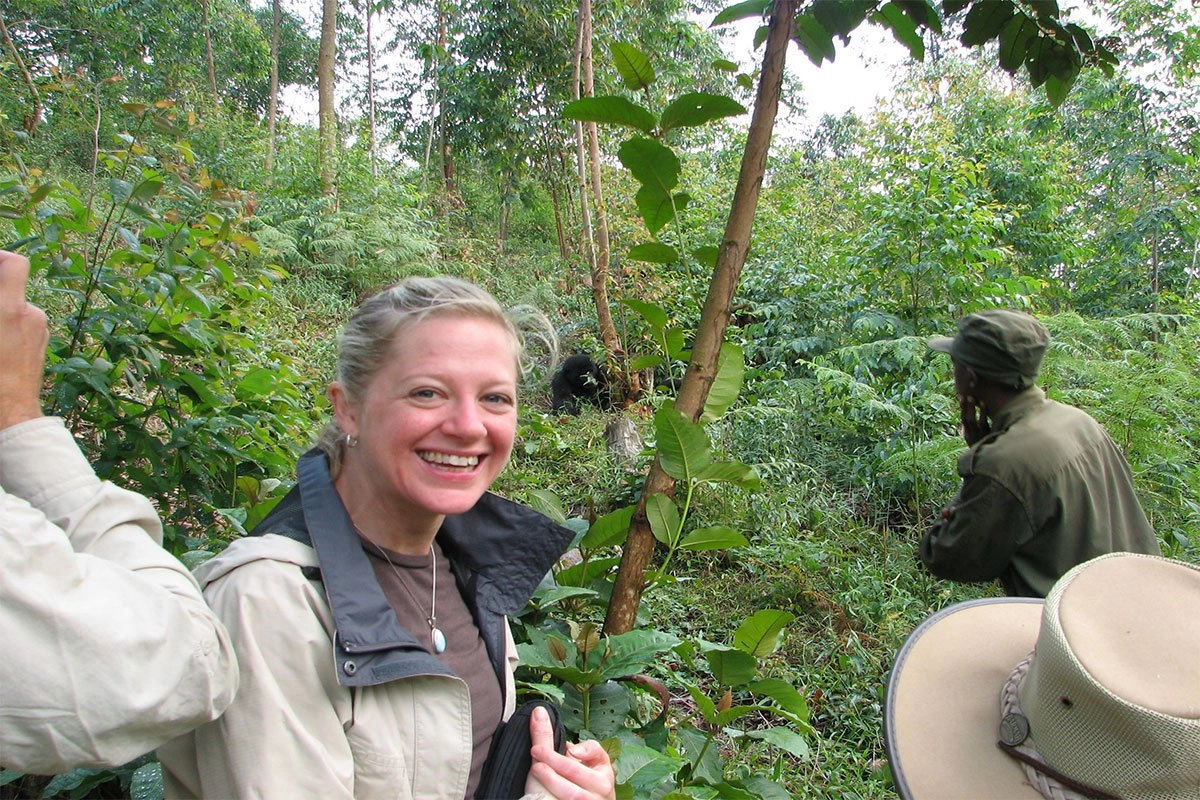
Inside the parks, the safety picture flips almost entirely. Uganda’s parks are managed by the Uganda Wildlife Authority (UWA), with rangers, professional guides and secure lodges creating a tightly controlled environment. Gorilla trekking, for example, is a structured group activity: you join a party of up to eight, accompanied by trained trackers and at least one armed UWA ranger, keeping a 7-metre distance from the gorillas under clear briefing rules.
Game drives and Nile boat cruises in Murchison follow the same logic — you are with a guide, on established routes, inside a protected area. The real hazards here are wildlife-related rather than criminal, which is exactly why the golden rule is to follow ranger and guide instructions: stay in the vehicle unless told otherwise, never approach animals on foot, and respect the distances set at every briefing.
Solo, Female and Family Travellers
Uganda is a rewarding destination for solo and female travellers, and gorilla permits are sold per person, so the whole system is built around individuals joining small groups. Women travellers frequently report feeling safer inside the parks than in cities back home, though Kampala brings the usual big-city attention — staring and the odd unwanted approach — best handled with confident, standard precautions and dressing modestly in towns and villages.
Families do well on safari too, provided you brief children on staying with the group, keep antimalarials and sun protection consistent, and lean on your operator for the logistics. Across every traveller type, the single biggest safety decision is the same: book through a licensed, reputable operator who provides professional drivers, vetted lodges and round-the-clock support.
Frequently Asked Questions
So, is Uganda safe for tourists?
For a guided, lodge-based safari, yes — with sensible precautions. Risks are real but concentrated in specific places and situations, mainly urban crime after dark and border regions far from the main parks. The savannah and forest circuits are well managed and heavily supervised.
Why is there a “Do Not Travel” advisory if it’s safe?
Advisories assess the whole country for every kind of traveller and weight border zones, health and civil-unrest risks heavily. They aren’t tailored to a supervised safari itinerary, so read the regional detail rather than only the headline level.
Is Murchison Falls safe to visit right now?
Yes. It lies in the north-west, away from the DRC border risk zones, and game drives and Nile boat cruises run under UWA supervision on a well-established, well-supported circuit.
What is the biggest risk on a Uganda safari?
Malaria and road travel, rather than crime, are the most realistic concerns. Take your antimalarials, avoid night driving on rural roads, and make sure your insurance covers medical evacuation.
Plan Your Safari
The honest takeaway is that Uganda rewards travellers who prepare properly and travel with people who know the ground. If you’d like a trip built around the safest, best-supported circuit, explore our Murchison Falls safaris, read our step-by-step planning guide, or get in touch and we’ll tailor an itinerary — with all the safety and health logistics handled — around the wildlife you most want to see.