



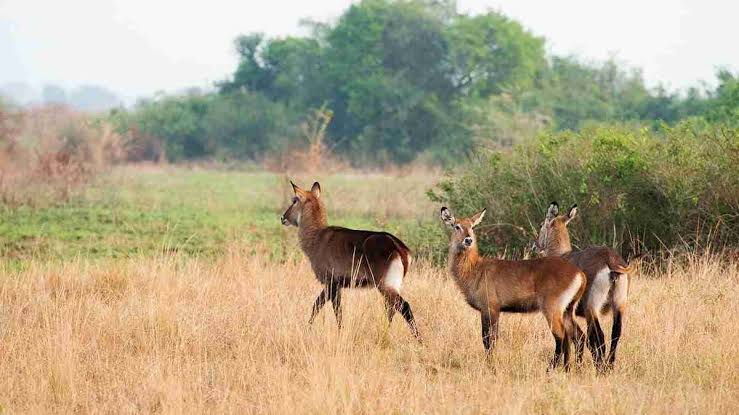
Kidepo Valley National Park to Murchison Falls
Kidepo Valley National Park and Murchison Falls National Park sit at opposite ends of Uganda’s northern safari belt — yet pairing them in one itinerary is one of the most rewarding routes in East Africa. Kidepo delivers cheetah on open savannah, ostrich on the Kidepo sand river and a genuine sense of remoteness at the South Sudan border. Murchison answers with the Nile squeezed through the falls, Rothschild’s giraffe on the Buligi Peninsula and boat cruises past hippo pods. The transfer between them is a full day on the road, but it threads through Acholi farmland and the Albert Nile corridor rather than looping back through Kampala.
This guide covers the overland route from Kidepo to Murchison: realistic distances, drive times, which Murchison gate to use, vehicle requirements, sample pacing and the fly-in shortcut if you want to skip the long drive south. Pair it with our pages on Gulu to Murchison Falls, driving to Murchison Falls and the Kidepo Valley safari guide when you stitch both parks into a wider Uganda loop.
Total distance and drive time
From Apoka, Kidepo’s main tourism hub, to the northern gates of Murchison Falls National Park, plan on roughly 400 to 450 kilometres and seven to nine hours of driving in dry conditions — longer after heavy rain. Operators often quote eight hours as a working average; travellers who have done the run report that the final murram sections and cattle on the road slow progress even when the tarmac stretches are smooth.
Break the journey into three legs: Apoka to Kitgum (about 150 kilometres, three to four hours), Kitgum to Gulu (about 150 kilometres, two hours on tarmac) and Gulu to a northern Murchison gate (about 100 to 115 kilometres, two to three hours). An overnight in Gulu or Kitgum turns a gruelling transfer into a manageable travel day — and Gulu’s lodges and fuel stations are well set up for safari traffic.
The route: Apoka, Kitgum, Gulu and the northern gates
Leave Kidepo via Apoka Gate or the nearby Lokumoit Gate, the standard exit for the Gulu–Kitgum corridor. The road south-west from the park boundary is murram gravel — firm and dusty from June to September and December to March, slow and greasy in April–May and October–November rains. Kitgum town is the last dependable fuel stop before Gulu; fill your tank here if Apoka’s supplies ran low.
From Kitgum, tarmac carries you south-west through Acholi countryside to Gulu City. Gulu sits at the junction where northern itineraries split: west toward Pakwach and Tangi Gate, south toward Purongo and Wankwar Gate, or south-east on the Kampala–Gulu highway toward Chobe Gate near Karuma Bridge.
For most Kidepo departures, the Tangi Gate route via Purongo and the Pakwach highway is the most direct path into Murchison’s prime game-viewing savannah. Wankwar Gate, roughly 10 kilometres south of Purongo, suits those who have already turned off the main highway. Chobe Gate, two to three kilometres north of Karuma Bridge on the Kampala–Gulu highway, works if your lodge sits at Chobe Safari Lodge or you prefer the eastern corridor. All three northern gates open onto the Buligi Peninsula without requiring an immediate Nile crossing — see our northern sector guide for what to expect inside the boom.
Why the northern gates beat routing through Masindi
It is possible to drive from Gulu south through Lira and Masindi to Kichumbanyobo Gate, but that adds a full day compared with entering Murchison from the north. The Masindi corridor suits travellers coming from Kampala or the western parks — not those already in Karamoja.
Enter via Tangi, Wankwar or Chobe and you land on the northern bank of the Victoria Nile, where elephants, buffalo, Rothschild’s giraffe, lion and large antelope concentrate on the open plains. Paraa — hub for boat cruises and the launch to the foot of the falls — lies roughly 45 to 60 kilometres inside the park on murram tracks. Reaching the Top of the Falls or south-bank lodges requires the Paraa ferry (07:00–19:00). Budget an extra hour each way plus queue time in peak season.
What changes when you leave Kidepo for Murchison
The two parks feel like different continents despite sharing the same country. Kidepo covers 1,442 square kilometres of semi-arid savannah at the foot of Mount Morungole, with 86 mammal species and 476 bird species on the UWA checklist. It is Uganda’s only refuge for cheetah, bat-eared fox, striped hyena and caracal; the Narus Valley draws buffalo herds numbering into the thousands during the dry months. Wild ostrich stride the Kidepo sand river — a sight you will not find elsewhere in the country.
Murchison Falls National Park spans roughly 3,840 square kilometres along the Victoria Nile — Uganda’s largest protected area and home to one of the continent’s strongest Rothschild’s giraffe populations. Shoebill stork haunt the delta swamps; the launch cruise to the falls is the park’s signature activity. The wildlife overlap is real — lion, elephant, buffalo and hartebeest appear in both — but the landscapes, birdlife and the Nile itself give Murchison a character Kidepo cannot replicate. Allow at least two full nights in each park; a rushed one-night stop in either wastes the drive.
Road conditions and vehicle choice
A high-clearance 4×4 is essential for the entire Kidepo-to-Murchison corridor, not just inside the parks. The Kitgum–Kidepo murram is the bottleneck — rutted after rain, corrugated in the dry season. The Gulu–Kitgum and Gulu–Purongo legs are predominantly tarmac, maintained as part of Uganda’s northern transport network linking Kampala, Gulu and South Sudan.
Inside Murchison, park tracks beyond the gate are unsurfaced murram and the speed limit is 40 km/h. Both parks gate at 07:00 and close at 19:00; plan to reach the boom with daylight to spare. There is no fuel inside either park — top up in Kitgum or Gulu before the final run.
Sample transfer day and itinerary pacing
A realistic schedule: depart Apoka after an early breakfast by 07:00, reach Kitgum mid-morning for fuel and a stretch, lunch in Gulu around midday, and enter Murchison via Tangi or Wankwar by 16:00–17:00 with time to check in before the gates close. That is a long day — many operators break it with an overnight in Gulu after two nights at Kidepo, then drive to Murchison fresh the following morning.
A balanced six- to eight-day northern Uganda loop might run: two nights Kidepo (Narus Valley game drives, optional Karamojong manyatta visit), one night Gulu or a direct transfer day, then two to three nights Murchison (northern game drives, Nile boat cruise, Top of the Falls hike). Compare formats on our how many days for Murchison Falls page when you allocate time.
Fly-in alternative: skipping the road transfer
There is no scheduled direct flight between Kidepo and Murchison. Aerolink Uganda operates scheduled services from Entebbe to Apoka Airstrip (typically Wednesdays, Fridays and Sundays) and to Murchison’s Pakuba, Bugungu and Chobe airstrips on separate days. A private charter between the two parks is possible but costly — most travellers fly Entebbe–Apoka, safari at Kidepo, then drive south to Murchison or reverse the sequence. Read our fly to Murchison Falls guide for airstrip details and lodge transfer logistics.
Park entry fees at both parks
Under the UWA conservation tariff valid July 2024–June 2026, foreign non-resident adults pay US$40 per 24 hours at Kidepo Valley National Park (children aged five to fifteen US$20; under-fives free). Murchison Falls sits in UWA’s Category A+ at US$45 per 24 hours (children US$25). Activity fees — game drives, boat cruises, hiking to the Top of the Falls — are charged separately at each park. Game drive fees at Kidepo are US$20 per person for foreign non-residents; Murchison game drives are US$30 under the current tariff.
Frequently Asked Questions
- How long does it take to drive from Kidepo to Murchison Falls?
-
Allow seven to nine hours covering roughly 400 to 450 kilometres via Kitgum and Gulu. Dry-season conditions and minimal stops bring the time closer to seven hours; rain, road works and cattle on the murram stretches can push it toward ten.
- Which Murchison gate should I use after Kidepo?
-
Tangi Gate is the default for travellers arriving from Gulu along the Pakwach highway. Wankwar suits those who turn south at Purongo. Chobe Gate works for eastern approaches via Karuma Bridge and guests staying at Chobe Safari Lodge.
- Do I need a 4×4 for the Kidepo to Murchison drive?
-
Yes. The Kitgum–Kidepo section is murram gravel that becomes impassable for low-clearance vehicles in the rains. Park tracks inside Murchison strongly favour a high-clearance 4×4 year-round.
- Can I fly directly from Kidepo to Murchison Falls?
-
Not on a scheduled service. Aerolink flies Entebbe to Apoka and Entebbe to Pakuba on separate days. A private charter between the parks is an option for groups with budget and tight timelines.
- How many days should I allow for a Kidepo and Murchison combination?
-
Plan at least six days — two nights at Kidepo, one transfer or overnight in Gulu, and two to three nights at Murchison. Shorter trips exist but sacrifice the game viewing that justifies the long drives.
Plan Your Safari
The road from Kidepo to Murchison is part of the adventure — Acholi villages, the Albert Nile corridor and two of Uganda’s finest savannah parks in one northern loop. We arrange Kidepo game drives, Gulu stopovers, northern-gate entry at Tangi or Chobe and ferry timing matched to your lodge. Browse our Murchison Falls safari packages, the Kidepo Valley safari guide and full Murchison Falls travel guide, and tell us your Kidepo departure date — we will build a route that gets you to the Nile with daylight to spare.