Uganda’s safari industry moves on permit tariffs, infrastructure investment, conservation milestones and shifting traveller preferences. Staying current prevents budget surprises and helps you book before capacity tightens in peak months. This overview highlights developments affecting Uganda safaris broadly — with implications for anyone combining Murchison Falls, primate parks and southwestern circuits.
Details evolve — verify with your operator before final payment. We update booked clients directly when UWA policy changes.
UWA Conservation Tariff (July 2024–June 2026)
The most significant recent change is Uganda Wildlife Authority’s revised fee schedule. Key figures for foreign non-residents:
— Gorilla trekking permit: US$800 (US$600 April, May, November)
— Gorilla habituation: US$1,500
— Chimpanzee tracking (Kibale): US$250 (US$200 low season)
— Chimp habituation (Kibale): US$300
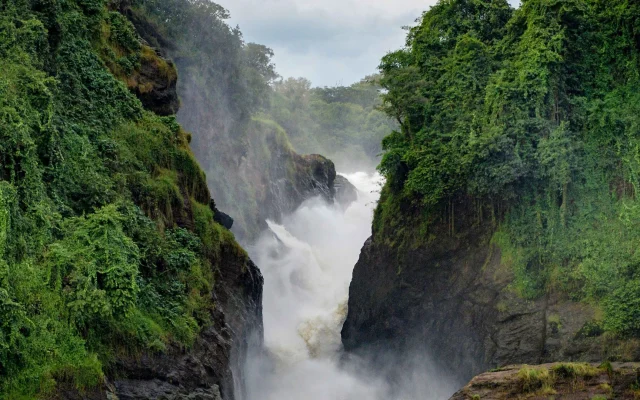
— Murchison Falls park entry: US$45 per day
— Golden monkey tracking (Mgahinga): US$60
Gorilla and chimp permit fees now include park entry on trek days. Budget itineraries must account for separate savannah park entries on non-trek days.
Permit Booking Rule Changes
UWA removed the seven-day unpaid reservation window for gorilla and chimp permits. Foreign non-residents must book through licensed tour operators with immediate full payment. Plan 6–9 months ahead for peak season gorilla dates; habituation experiences require 9–12 months.
Low-season discounted gorilla permits (US$600) cannot be rescheduled — firm travel dates essential before purchase.
Entry and Health Requirements
Yellow fever vaccination certificate remains mandatory for all international arrivals regardless of origin. COVID-19 testing and vaccination requirements for Uganda entry have been lifted — verify current policy before travel as regulations can reinstate during health events.
Malaria prophylaxis recommended nationwide per CDC guidance. Travel insurance with medical evacuation cover strongly advised for remote park travel.
Infrastructure Developments
Entebbe International Airport: Ongoing expansion improves terminal capacity for growing visitor numbers.
Domestic aviation: Scheduled and charter flights to Pakuba, Bugungu, Kasese, Kihihi and Kisoro airstrips expand fly-in safari options — reducing road time between Murchison and Bwindi.
Road corridors: Masindi–Murchison and Fort Portal–Kibale routes see periodic upgrades; southwestern roads to Bwindi remain slow — 4×4 essential.
Conservation Headlines
Mountain gorilla populations in Bwindi and Mgahinga continue gradual growth — testament to decades of regulated tourism and anti-poaching investment. Uganda hosts roughly half the world’s remaining mountain gorillas.
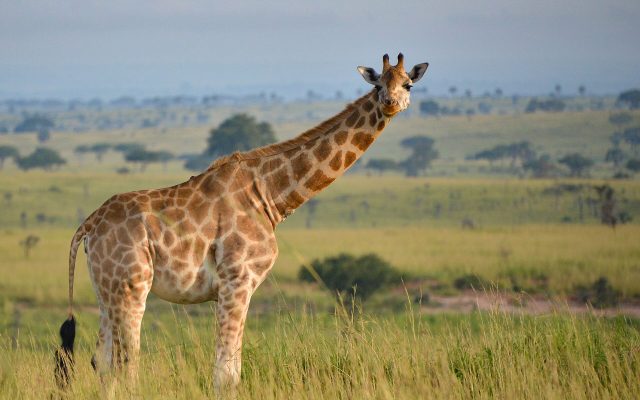
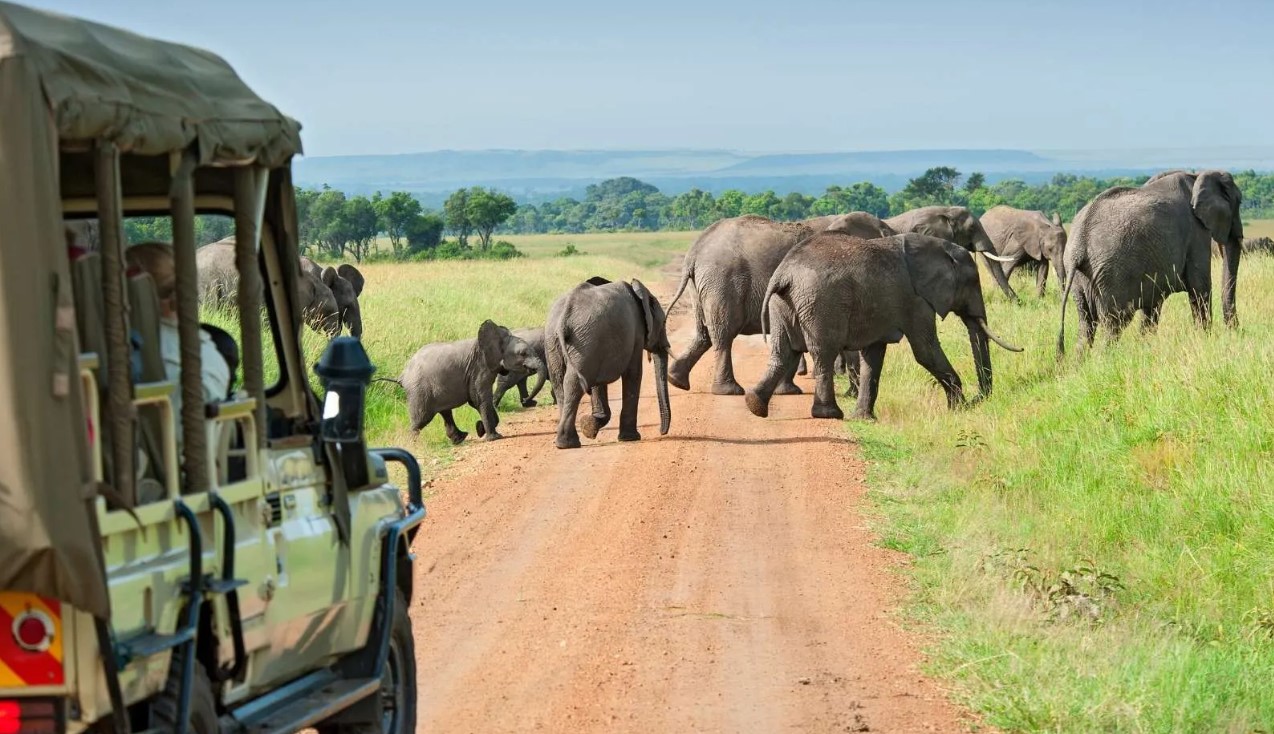
Rhino reintroduction through Ziwa Rhino Sanctuary progresses toward eventual Murchison translocation. Elephant and giraffe populations in Murchison and Queen Elizabeth show stable or increasing trends under UWA management.
Community revenue sharing — twenty percent of park fees to border communities — remains central to Uganda’s conservation model.
Regional Tourism Context
Rwanda maintains gorilla permits at US$1,500 — reinforcing Uganda’s value positioning at US$800. Kenya and Tanzania continue dominating savannah migration tourism; Uganda differentiates on primate access, Nile experiences and lower crowd density.
East Africa visa arrangements periodically update — check whether a single visa covers your multi-country itinerary if combining Uganda with Kenya or Rwanda.
What This Means for Your Safari Budget
A standard week including one gorilla trek, one chimp trek and two savannah parks carries roughly US$1,300–1,500 in permit and entry fees alone per person before lodges and transport — up from previous tariff cycles. Low-season travel and site selection (Budongo over Kibale for chimps, Kyambura over Kibale for budget) moderate increases.
Digital Permit Systems and Operator Licensing
UWA continues digitising permit issuance — electronic confirmation replaces some paper vouchers. Licensed tour operators must appear on Uganda Tourism Board’s registered list; verify before wire transfer. Scam operators offering discounted permits below UWA rates are a persistent industry problem — if a gorilla permit quote falls below US$800 (or US$600 low season), it is not legitimate.
Operators receive direct UWA bulletins on policy changes. Travellers booking independently should use only UTB-listed companies and request permit confirmation numbers verifiable through official channels before paying balances.
Frequently Asked Questions
Will permit prices increase again in 2027?
UWA reviews tariffs every two to three years. New rates typically publish several months before taking effect. Book current tariffs by securing permits under the 2024–2026 schedule.
Can I still buy permits on arrival?
Not for foreign non-residents — licensed operator purchase with full prepayment is mandatory for gorilla and chimp permits.
Are new national parks opening?
Uganda occasionally reclassifies reserves and expands park activities. Pian Upe and other eastern reserves gain profile for specialist safaris. Main circuits remain Murchison, Queen Elizabeth, Kibale, Bwindi, Kidepo and Lake Mburo.
How do I stay updated?
Follow Uganda Wildlife Authority announcements and book through operators who receive direct UWA bulletins. We communicate changes to confirmed bookings immediately.
Gorilla permit price harmonisation across East Africa remains industry discussion — Rwanda at US$1,500 anchors the premium end; Uganda’s US$800 positions the country as accessible primate destination for foreseeable tariff cycles through June 2026.
Are there new national parks opening?
Pian Upe and eastern reserves gain specialist profile but main circuits remain unchanged. Kidepo, Murchison, Queen Elizabeth, Kibale, Bwindi and Lake Mburo anchor most itineraries.
Impact on Your Booking
Policy changes affect price and timing more than experience quality. Book permits early under current tariffs. Verify operator licensing. Budget park entry separately from primate permits. Allow buffer days around low-season discounted permits that cannot reschedule. News becomes expensive only when ignored until the week before travel.
Subscribe to operator pre-departure briefings rather than relying solely on static web pages — operational details change faster than published guides can reflect.
Plan Your Safari
Policy news affects timing and budget — not the wildlife waiting in Uganda’s parks. Lock in current permit rates and get operator-verified logistics via Uganda safaris and primate safari costs explained.