
Uganda safari travel is shifting. Primate permits cost more but low-season discounts reward flexible dates. Fly-in circuits compress road time. Travellers combine fewer parks with deeper stays. Photography, community tourism and multi-generational trips reshape the classic “everything in fourteen days” model. Here are the trends we see across bookings and industry conversations in 2025 and heading into 2026.
Value Positioning Versus Rwanda
Rwanda’s US$1,500 gorilla permit versus Uganda’s US$800 (US$600 low season) drives cost-conscious travellers to Uganda — especially couples saving US$1,400 on permits alone. Rwanda retains luxury positioning; Uganda captures value seekers, repeat primate visitors and travellers building longer savannah-plus-primate circuits Rwanda cannot match.
The “Rest of Africa” gorilla permit category at US$500 increases continental visitor interest — a demographic trend Uganda Tourism Board actively pursues.
Fly-In and Fly-Drive Hybrids
Charters between Entebbe, Pakuba (Murchison), Kasese (Queen Elizabeth/Kibale) and Kihihi/Kisoro (Bwindi) are standard on luxury itineraries and increasingly booked by mid-range travellers for one strategic leg — usually skipping the longest road day. Pure road circuits remain budget default; pure fly-in suits time-poor travellers.
The hybrid model — road north, fly south — balances cost and comfort on 10-day circuits.
Habituation Experiences Rising
Gorilla habituation (US$1,500, Rushaga) and chimp habituation (US$300, Kibale) book further ahead than standard treks. Travellers want time over checklist — four hours with gorillas or a full chimp research day justifies premium for photography and primate enthusiasts. Limited daily slots create scarcity marketing operators respond to.
Low-Season Travel Normalising
April, May and November — historically avoided for rain — now attract budget and experienced travellers exploiting US$600 gorilla and US$200 chimp permits. Lodges offer sharper rates. Crowds thin at Bwindi briefing points. Trade-off acceptance (mud, intermittent rain) is a maturing market behaviour, not just backpacker strategy.
Shorter, Deeper Itineraries
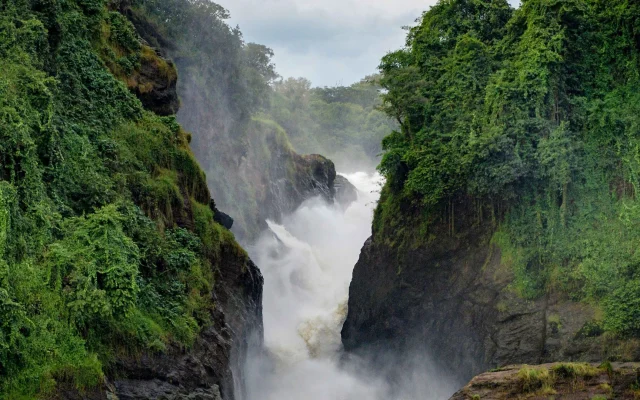
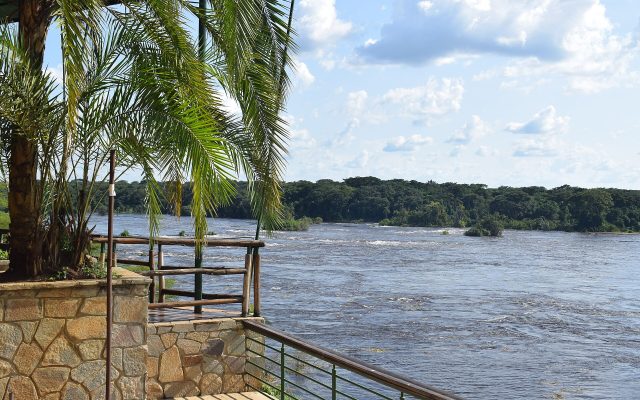
Fourteen-day everything tours decline relative to focused eight-to-ten-day trips: Murchison plus gorillas, or Kibale plus Bwindi plus Queen Elizabeth without Kidepo. Travellers prefer two parks done well over four parks rushed. Quality lodge nights at Nile frontage or cloud forest replace budget transit nights.
Community and Conservation Transparency
Source-market travellers — particularly Northern Europe — request evidence of community benefit before booking. UWA’s twenty-percent revenue share to border communities and lodge employment practices appear in pre-booking questions more than five years ago. Community walks at Bigodi, Boomu and Batwa experiences are itinerary features, not afterthoughts.
Family and Split Itineraries
Gorilla minimum age 15 splits families: parents trek while grandparents take children to Murchison game drives, Ngamba Island sanctuary or Lake Mburo. Operators increasingly design parallel activities for mixed-age groups — a trend gorilla parks force by regulation rather than preference.
Photography and Social Media Influence
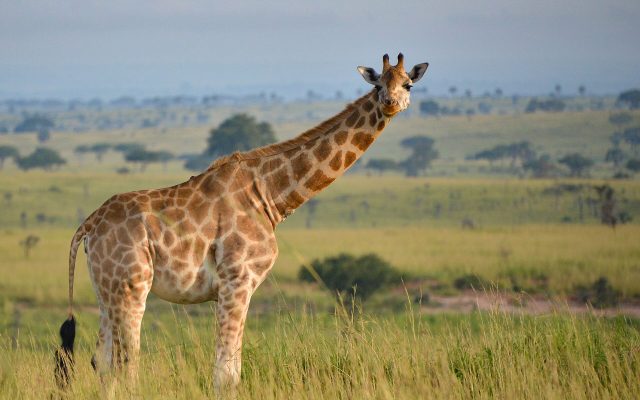
Shoebill, tree-climbing lions and gorilla portrait imagery drive destination awareness on Instagram and YouTube. Photography-focused private guiding grows — travellers want unhurried Kazinga cruises and positioned gorilla angles. Uganda’s visual diversity (savannah, forest, river, volcano) suits content creators better than single-biome destinations.
Solo and Female Traveller Growth
Small-group scheduled departures attract solo travellers avoiding private vehicle premium. Women travelling solo or in pairs report comfort in Uganda’s safari industry — professional guiding, English prevalence, established lodge security. Group join-ins on set departure dates are a growing product category.
East African Regional Integration
Cross-border itineraries linking Uganda with Rwanda (Cyanika/Gatuna borders) and Kenya (Busia/Malaba) trend upward as multi-country travellers seek gorillas in Uganda and beach or migration extensions elsewhere. East Africa tourist visa options simplify entry when applicable — verify current eligibility by nationality before assuming single-visa coverage.
Kampala’s conference and events calendar occasionally spikes Entebbe flight prices — business travellers overlap with safari arrivals on some weekends. Flexible date travellers avoid Friday Entebbe arrivals when possible. Direct international routes to Entebbe from Middle East and European hubs continue expanding, reducing reliance on Nairobi connections.
Frequently Asked Questions
Is Uganda getting more expensive?
Permit and entry fees increased in 2024. Low-season discounts and site selection (Budongo vs Kibale) offset rises. Overall still cheaper than Rwanda for primate-focused trips.
What is the trending itinerary length?
8–10 days — down from 12–14 day everything tours. Murchison plus southwestern primates is the most requested structure.
Are group tours or private safaris more popular?
Private still dominates couples and families. Scheduled small-group grows among solos and budget travellers. Luxury remains overwhelmingly private.
When should I book for 2026?
Peak season gorilla permits: now. Habituation: 9–12 months ahead. Murchison lodges peak months: 3–4 months minimum.
Remote work and “workation” travellers occasionally extend Entebbe or Kampala stays between park legs — reliable lodge Wi-Fi at mid-range and above makes Uganda viable for blended travel and work when schedule flexibility allows.
Is sustainable tourism affecting lodge choice?
Increasingly — European travellers especially request solar power, plastic reduction and community employment data before confirming bookings.
Booking Against Trends
Peak gorilla permit demand is the binding constraint — book before selecting lodge tier or charter legs. Low-season discounts reward flexible retirees and remote workers more than school-holiday families. Solo travellers should ask about scheduled group departures trending upward as shared-vehicle products expand. Trends inform timing; permits and fitness still dictate the feasible itinerary.
Review trend data annually when planning repeat visits — permit economics and lodge inventory shift faster than savannah wildlife cycles.
Plan Your Safari
Trends suggest where availability tightens — not what to skip. Lock permits early, choose depth over breadth, and match lodge tier to how you actually travel. Start at Uganda safaris or our news and updates page for current policy context.